Are you giving your ears the nutritional support they need to stay healthy?
In a world filled with constant sound, our ears are tirelessly working, processing everything from gentle whispers to bustling cityscapes. Yet, how often do we consider the internal nourishment required to keep this intricate system functioning optimally? Just like any other part of our body, our auditory system relies heavily on a steady supply of essential vitamins and minerals to maintain its health and resilience against damage.
The journey to understanding and protecting our hearing often focuses on external factors like noise exposure, but the internal environment is equally critical. Research increasingly highlights the profound impact of nutrition on hearing health, revealing how specific nutrients can act as powerful guardians, helping to prevent age-related hearing loss, reduce the severity of tinnitus, and shield delicate ear structures from oxidative stress. This article delves into the science behind nourishing your auditory system, exploring the key vitamins and minerals that are indispensable for sharp, clear hearing now and in the future.
The Intricate Connection Between Nutrition and Auditory Health
Our ears are sophisticated organs, home to tiny, delicate hair cells in the cochlea that convert sound vibrations into electrical signals for the brain. These cells, along with the auditory nerves and blood vessels that supply them, are highly susceptible to damage from various factors, including aging, noise exposure, certain medications, and crucially, nutritional deficiencies.
A balanced diet rich in specific micronutrients provides the necessary building blocks and protective agents to keep these components functioning optimally. Without adequate nutritional support, the ears become more vulnerable to inflammation, oxidative stress, and impaired blood flow, all of which can contribute to the development or worsening of conditions like tinnitus and hearing loss. Understanding this fundamental link empowers us to make informed dietary choices that can significantly impact our long-term hearing wellness. This isn't just about preventing problems; it's about optimizing the very mechanism through which we experience the world of sound.
💡 Key Takeaway
Adequate nutrition is foundational for maintaining the health of delicate inner ear structures, protecting them from damage, and supporting overall auditory function. Deficiencies can accelerate hearing decline and exacerbate tinnitus.
Essential Vitamins for Robust Hearing
When we talk about protecting our hearing, certain vitamins stand out due to their direct and indirect roles in supporting auditory function. These micronutrients are involved in everything from nerve signal transmission to protecting cells from environmental damage.
Vitamin A: The Vision and Hearing Link
Often associated with eye health, Vitamin A (and its precursor, beta-carotene) is also vital for the proper functioning of the inner ear. It plays a crucial role in the health of the epithelial tissues, including those found in the cochlea. Studies suggest that deficiencies in Vitamin A can negatively impact the development and maintenance of inner ear structures. Foods rich in Vitamin A include carrots, sweet potatoes, spinach, kale, and liver.
B Vitamins: The Nerve Protectors
The B-vitamin complex, particularly B12, Folate (B9), and B6, are indispensable for neurological health, which directly impacts the auditory nerve.
- Vitamin B12: A deficiency in B12 has been linked to both hearing loss and tinnitus. It is crucial for the formation of myelin, the protective sheath around nerve fibers, including those in the auditory nerve. Without sufficient B12, nerve signals can be impaired. Sources include meat, fish, eggs, and dairy products.
- Folate (Vitamin B9): Folate helps reduce homocysteine levels in the blood. High homocysteine levels are associated with poor circulation and can contribute to age-related hearing loss. Leafy green vegetables, legumes, and fortified cereals are excellent sources.
- Vitamin B6: Works synergistically with B12 and folate to metabolize homocysteine and support overall nerve health. Found in poultry, fish, potatoes, and non-citrus fruits.
Vitamin C: The Antioxidant Powerhouse
A powerful antioxidant, Vitamin C is essential for protecting the delicate cells of the inner ear from damage caused by free radicals and oxidative stress. Oxidative stress is a major contributor to age-related hearing loss and can exacerbate tinnitus. Vitamin C also supports immune function, helping to ward off ear infections that could impact hearing. Citrus fruits, bell peppers, strawberries, and broccoli are rich in Vitamin C.
Vitamin E: Another Shield Against Oxidative Damage
Like Vitamin C, Vitamin E is a potent antioxidant that helps protect cells, including the hair cells of the cochlea, from free radical damage. It works in conjunction with other antioxidants to create a robust defense system within the body. Nuts, seeds, spinach, and fortified cereals are good sources of Vitamin E.
Vitamin D: Beyond Bone Health
While primarily known for its role in bone health and calcium absorption, emerging research suggests that Vitamin D may also play a role in hearing. The inner ear contains tiny bones (ossicles) crucial for sound transmission, and Vitamin D helps maintain their integrity. Some studies have indicated a link between Vitamin D deficiency and hearing loss. Sunlight exposure, fatty fish, and fortified dairy products are primary sources.
Incorporating these vitamins through a balanced diet is a crucial first step. However, for some, dietary intake alone might not be sufficient, especially when dealing with specific conditions or deficiencies. This is where targeted supplementation can offer additional support, providing a concentrated dose of these vital nutrients to bolster your body's defenses. Many individuals seeking to manage or reduce the impact of conditions like tinnitus explore various nutritional aids. If you're interested in learning more about specific interventions, you might find our article on tinnitus supplements that work insightful.
Crucial Minerals for Auditory System Integrity
Beyond vitamins, several minerals are indispensable for maintaining the structural integrity and functional efficiency of our hearing system. These minerals participate in various biochemical processes that directly or indirectly influence ear health.
Zinc: The Immune and Healing Mineral
Zinc is a powerhouse mineral for overall health, and its role in hearing is particularly noteworthy. It's a potent antioxidant and immune booster, helping to protect against infections that can affect the ears. More specifically, zinc is found in high concentrations in the inner ear and is crucial for the proper functioning of the cochlea. Deficiencies have been linked to both tinnitus and sudden sensorineural hearing loss. Foods rich in zinc include oysters, beef, pumpkin seeds, and lentils.
Magnesium: The Circulation and Protection Mineral
Magnesium plays a vital role in protecting against noise-induced hearing loss. It helps to relax blood vessels, improving blood flow to the inner ear, which is essential for nutrient delivery and waste removal. Additionally, magnesium has neuroprotective properties and helps stabilize the membranes of hair cells, making them less susceptible to damage. Almonds, spinach, black beans, and avocados are excellent sources of magnesium.
Potassium: The Inner Ear Fluid Regulator
Crucial for the fluid balance within the inner ear, Potassium is essential for converting sound vibrations into nerve impulses. The fluid in the inner ear (endolymph) is rich in potassium, and its proper concentration is critical for hair cell function. As we age, potassium levels can decline, potentially impacting hearing. Bananas, potatoes, spinach, and avocados are rich in potassium.
Selenium: The Antioxidant Collaborator
Selenium is another trace mineral with significant antioxidant properties. It works synergistically with Vitamin E to protect cells from oxidative damage, including those in the inner ear. Research suggests that adequate selenium intake may help protect against noise-induced hearing loss and age-related hearing decline. Brazil nuts, seafood, and whole grains are good sources of selenium.
These minerals, when consumed in adequate amounts, form a critical line of defense for your ears. While dietary intake is always preferred, the modern diet often falls short, making supplementation a consideration for those looking to optimize their hearing health. Maintaining healthy circulation to the inner ear is paramount for nutrient delivery and waste removal, and while diet plays a part, there are other natural strategies you can explore to enhance blood flow. For more insights, you can refer to our article on how to improve inner ear circulation naturally.
How a Nutrient-Rich Diet Protects Your Hearing
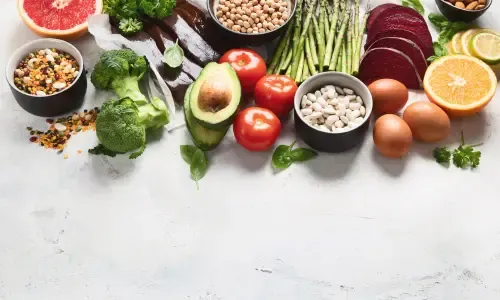
Beyond individual nutrients, a holistic, nutrient-rich diet offers multifaceted protection for your auditory system. The synergy of various vitamins, minerals, and phytonutrients creates a powerful shield against the common threats to hearing health.
Combats Oxidative Stress
Antioxidant-rich foods (Vitamins C, E, Zinc, Selenium) neutralize free radicals, preventing damage to the delicate hair cells in the cochlea. This is crucial for preventing age-related and noise-induced hearing loss.
Improves Inner Ear Blood Flow
Nutrients like Magnesium, Folate, and B12 contribute to healthy blood vessels and circulation. Optimal blood flow ensures that the inner ear receives sufficient oxygen and nutrients, vital for its high metabolic rate.
Supports Auditory Nerve Function
B vitamins (especially B12, B6, Folate) are critical for nerve health and myelin formation. This supports the efficient transmission of sound signals from the ear to the brain, maintaining clarity and processing speed.
Reduces Inflammation
Many vitamins and minerals possess anti-inflammatory properties. Chronic inflammation can damage ear structures and contribute to hearing problems. A healthy diet helps keep systemic inflammation in check.
Strengthens Immune System
A robust immune system, supported by vitamins like C, D, and Zinc, helps prevent ear infections that can lead to temporary or permanent hearing damage. This is especially important for children and those with compromised immunity.
Beyond Diet: The Role of Supplementation
While a well-balanced diet is the cornerstone of good health, achieving optimal levels of all essential nutrients solely through food can sometimes be challenging. Factors like soil depletion, food processing, individual dietary restrictions, and increased nutritional demands due to stress or aging can lead to deficiencies. In such cases, high-quality dietary supplements can bridge the nutritional gap and provide targeted support for hearing health.
Targeted Nutrient Delivery
Supplements can deliver concentrated doses of specific vitamins, minerals, and herbal extracts known to benefit auditory health, which might be difficult to obtain in sufficient quantities from diet alone. This targeted approach can be particularly beneficial for those experiencing or at risk of hearing issues.
Addressing Deficiencies
For individuals with diagnosed nutrient deficiencies (e.g., Vitamin B12, Zinc), supplementation offers an effective way to restore optimal levels, potentially mitigating their contribution to hearing loss or tinnitus symptoms. Blood tests can help identify such deficiencies.
Synergistic Formulations
Many hearing support supplements are formulated to include a synergistic blend of ingredients that work together to enhance absorption and efficacy. This comprehensive approach can provide broader protection and support than single-nutrient supplements.
Convenience and Consistency
Taking a daily supplement can ensure consistent intake of vital nutrients, which is often easier to maintain than rigidly adhering to a complex dietary regimen. This consistency is key for long-term health benefits.
It's crucial to choose supplements from reputable manufacturers that use high-quality, natural ingredients and adhere to strict manufacturing standards. Always consult with a healthcare professional before starting any new supplement, especially if you have underlying health conditions or are taking other medications.
Key Ingredients for Auditory Support: A Closer Look
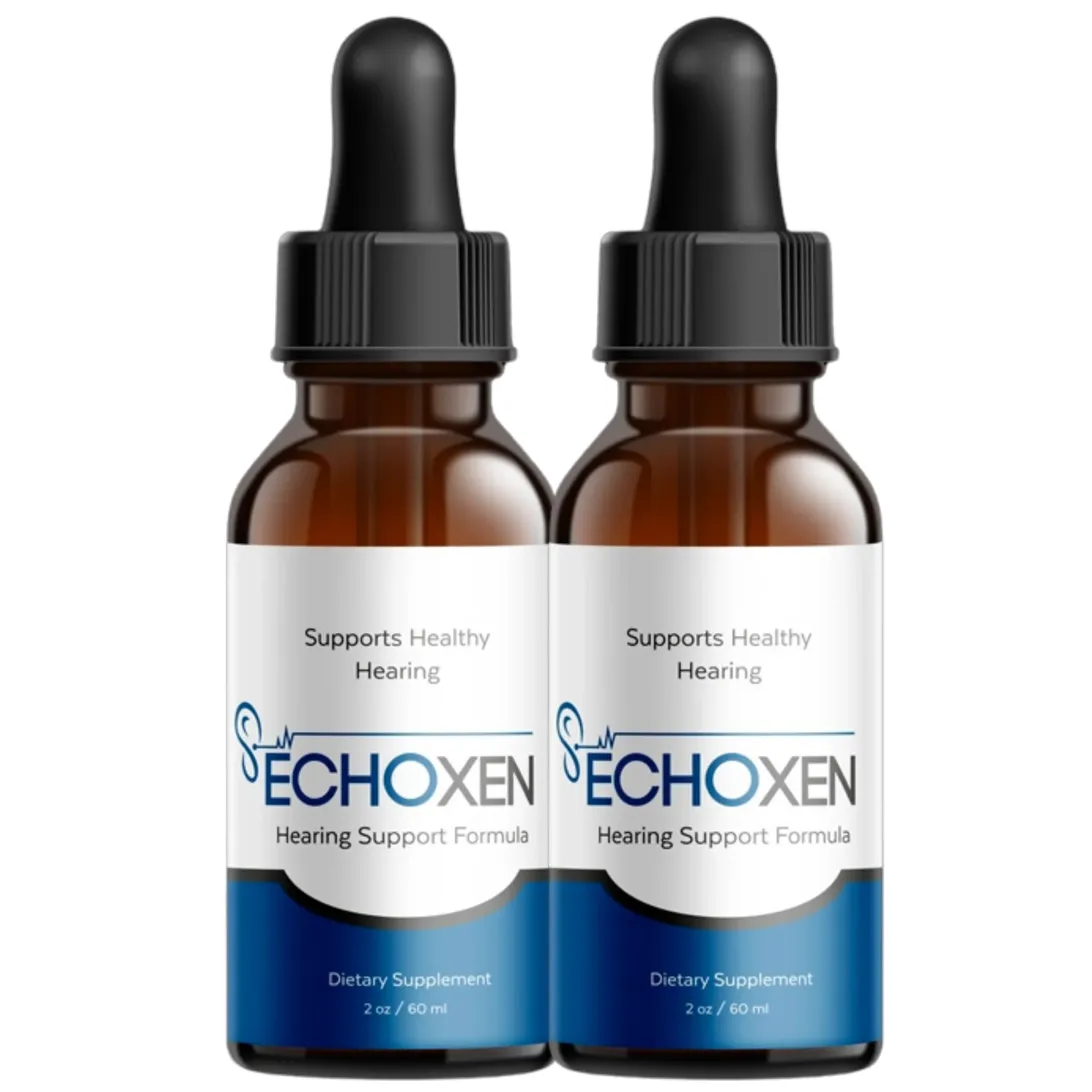
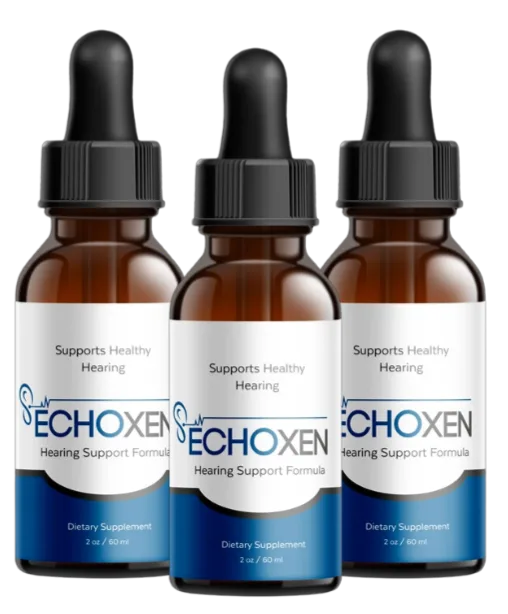
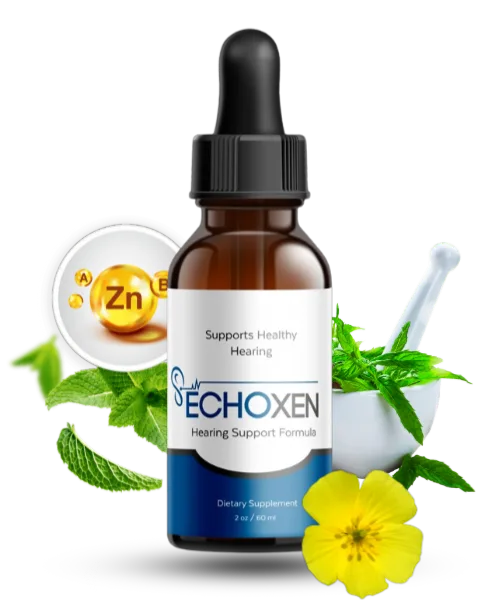
Many natural supplements designed for hearing health, like EchoXen, incorporate a blend of potent ingredients chosen for their scientific backing in supporting ear function and mitigating symptoms of hearing loss and tinnitus. Here are some examples of such ingredients:
Vitamins A, B, and Zinc
Role: A foundational blend for auditory health. Vitamin A supports inner ear tissue integrity, B vitamins (especially B12, B6, Folate) are crucial for nerve function and circulation, and Zinc acts as an antioxidant and immune booster, vital for cochlear health. This trio is often considered essential for cellular protection and nerve signal transmission.
Varies by specific B vitamin & form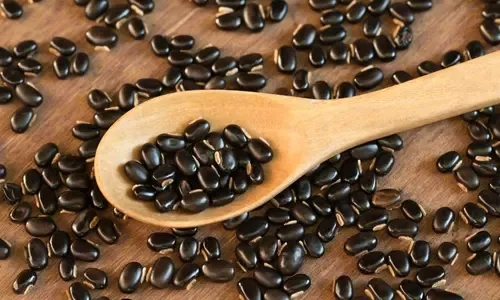
Mucuna Pruriens & Maca Root
Role: While primarily known for hormonal balance and mood, Mucuna Pruriens contains L-Dopa, a precursor to dopamine, which can influence cognitive function and stress response – factors that indirectly impact how the brain processes sound and perceives tinnitus. Maca Root is an adaptogen, helping the body manage stress and boost energy, which can be beneficial for overall well-being and resilience against environmental stressors.
500-1000mg total blend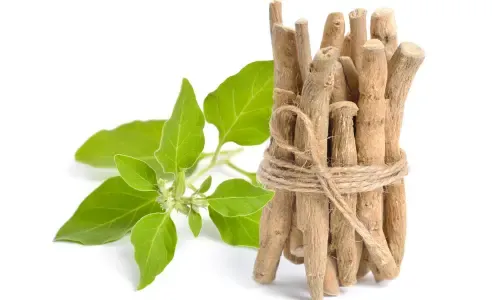
Ashwagandha & Piperine
Role: Ashwagandha is a renowned adaptogen, helping the body cope with stress and anxiety, which are common triggers and exacerbators of tinnitus. Its neuroprotective properties may also support auditory nerve health. Piperine, derived from black pepper, is often included to enhance the bioavailability and absorption of other ingredients, ensuring the body can make the most of the nutrients it receives.
250-600mg Ashwagandha, 5-10mg Piperine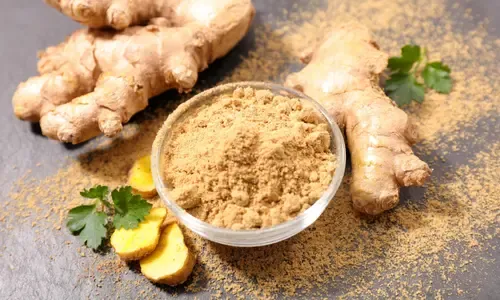
Muira Puama & Ginger
Role: Muira Puama is traditionally used for nervous system support and may contribute to overall vitality and stress reduction. Ginger is well-known for its anti-inflammatory and antioxidant properties, which can help reduce inflammation in the body, including potentially around the auditory system, and improve circulation. Improved circulation is vital for delivering nutrients to the delicate structures of the inner ear.
200-500mg total blend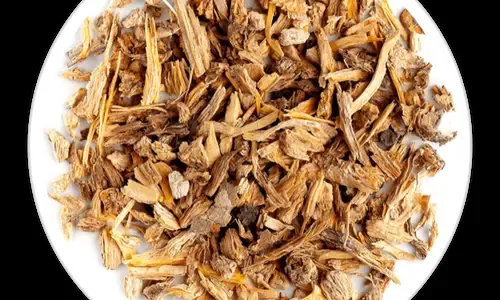
Dong Quai
Role: Dong Quai is traditionally used to support circulation and reduce inflammation, particularly in traditional Chinese medicine. Improved blood flow to the inner ear is critical for delivering oxygen and nutrients and for removing metabolic waste products, all of which are essential for maintaining healthy auditory function and potentially alleviating symptoms of tinnitus.
100-300mg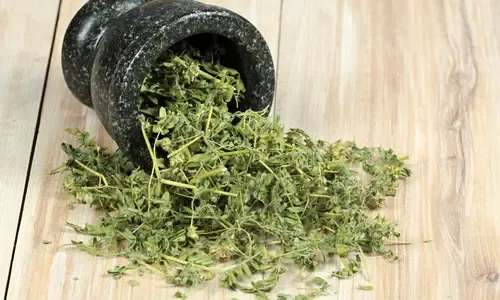
Epimedium & Tribulus Terrestris
Role: These herbs are often associated with vitality and overall well-being. Epimedium, also known as Horny Goat Weed, has properties that may support blood flow and nerve function, indirectly benefiting the intricate vascular network of the ear. Tribulus Terrestris is known for its adaptogenic qualities, helping the body maintain balance and resilience against various stressors, which can contribute to overall health and potentially mitigate the impact of stress on hearing.
200-500mg total blendEchoXen leverages a blend of these and other carefully selected ingredients to offer comprehensive support for individuals concerned about their hearing health, tinnitus, and the effects of aging on their auditory system. By combining essential vitamins and minerals with potent herbal extracts, it aims to nourish the ears from within, protect against damage, and promote optimal function.
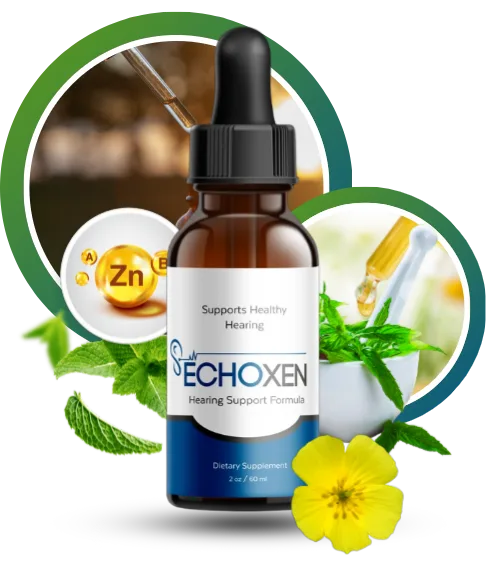
Give Your Hearing The Nutritional Edge It Deserves With EchoXen
EchoXen is formulated with a powerful blend of natural ingredients, including key vitamins, minerals, and herbal extracts, meticulously chosen to support auditory health, reduce tinnitus symptoms, and protect against age-related hearing decline. Don't let diminishing hearing or persistent ringing define your life. Take a proactive step towards clearer sound and inner peace.
- ✓ Supports healthy inner ear function
- ✓ Reduces the perception of tinnitus
- ✓ Protects delicate ear cells from damage
- ✓ Enhances cognitive clarity and focus
- ✓ Made with 100% natural, science-backed ingredients



What Our Customers Are Saying
"EchoXen has been a game-changer for my tinnitus. The constant ringing used to drive me crazy, but now it's significantly quieter. I feel more focused and less stressed. Highly recommend!"
"I was skeptical at first, but after a few weeks of EchoXen, I noticed a real difference in my hearing clarity. Sounds feel richer, and I don't have to ask people to repeat themselves as often. Fantastic product."
"My audiologist recommended looking into nutritional support for my early-stage hearing loss. EchoXen came up, and I'm glad I tried it. My ears feel healthier, and I have more energy overall. It's truly a holistic benefit."
Frequently Asked Questions
Can diet truly impact my hearing health?
+Absolutely. Your diet plays a fundamental role in maintaining overall health, including the intricate systems of your ears. Adequate intake of specific vitamins, minerals, and antioxidants can protect delicate ear structures, improve blood circulation, and reduce oxidative stress, all of which are crucial for preventing hearing loss and managing conditions like tinnitus. A poor diet, conversely, can accelerate damage.
Which vitamins are most important for preventing hearing loss?
+Key vitamins for hearing health include Vitamin A (for inner ear cell health), Vitamin C (a powerful antioxidant), Vitamin E (protects against free radical damage), Vitamin D (supports bone health, including ossicles), and B Vitamins, especially B12 and Folate (crucial for nerve function and reducing homocysteine levels, which can impact blood flow to the ear). These work synergistically to protect and support auditory function.
How do antioxidants protect my ears?
+Antioxidants like Vitamins C and E, along with minerals like Zinc and Selenium, combat oxidative stress. Oxidative stress occurs when there's an imbalance between free radicals and antioxidants in the body, leading to cellular damage. In the ears, this can damage the delicate hair cells in the cochlea, which are vital for hearing. Antioxidants neutralize these free radicals, thereby protecting these cells and potentially preserving hearing.
Can supplements help with existing tinnitus or hearing loss?
+While supplements are not a cure for established hearing loss or tinnitus, they can play a supportive role. For some individuals, nutrient deficiencies may exacerbate symptoms or contribute to the progression of these conditions. Supplementing with key vitamins, minerals, and specific herbal extracts may help to improve inner ear circulation, reduce inflammation, protect against further damage, and potentially alleviate some tinnitus symptoms. It's essential to consult a healthcare professional before starting any new supplement regimen.
What lifestyle changes complement nutritional support for hearing?
+Beyond nutrition, several lifestyle factors are crucial for hearing health. These include avoiding prolonged exposure to loud noise (using hearing protection when necessary), managing stress, regular exercise to improve circulation, maintaining a healthy weight, quitting smoking, and getting regular hearing check-ups. A holistic approach combining diet, supplements, and healthy habits offers the best defense against hearing decline.
Is EchoXen safe and natural?
+EchoXen is formulated with a blend of all-natural ingredients, including vitamins, minerals, and herbal extracts, carefully selected for their potential to support hearing health. It is manufactured in an FDA-registered, GMP-certified facility in the USA, ensuring high quality and safety standards. While generally safe, it's always recommended to consult with your doctor before starting any new supplement, especially if you have existing health conditions or are taking other medications.
Related Articles