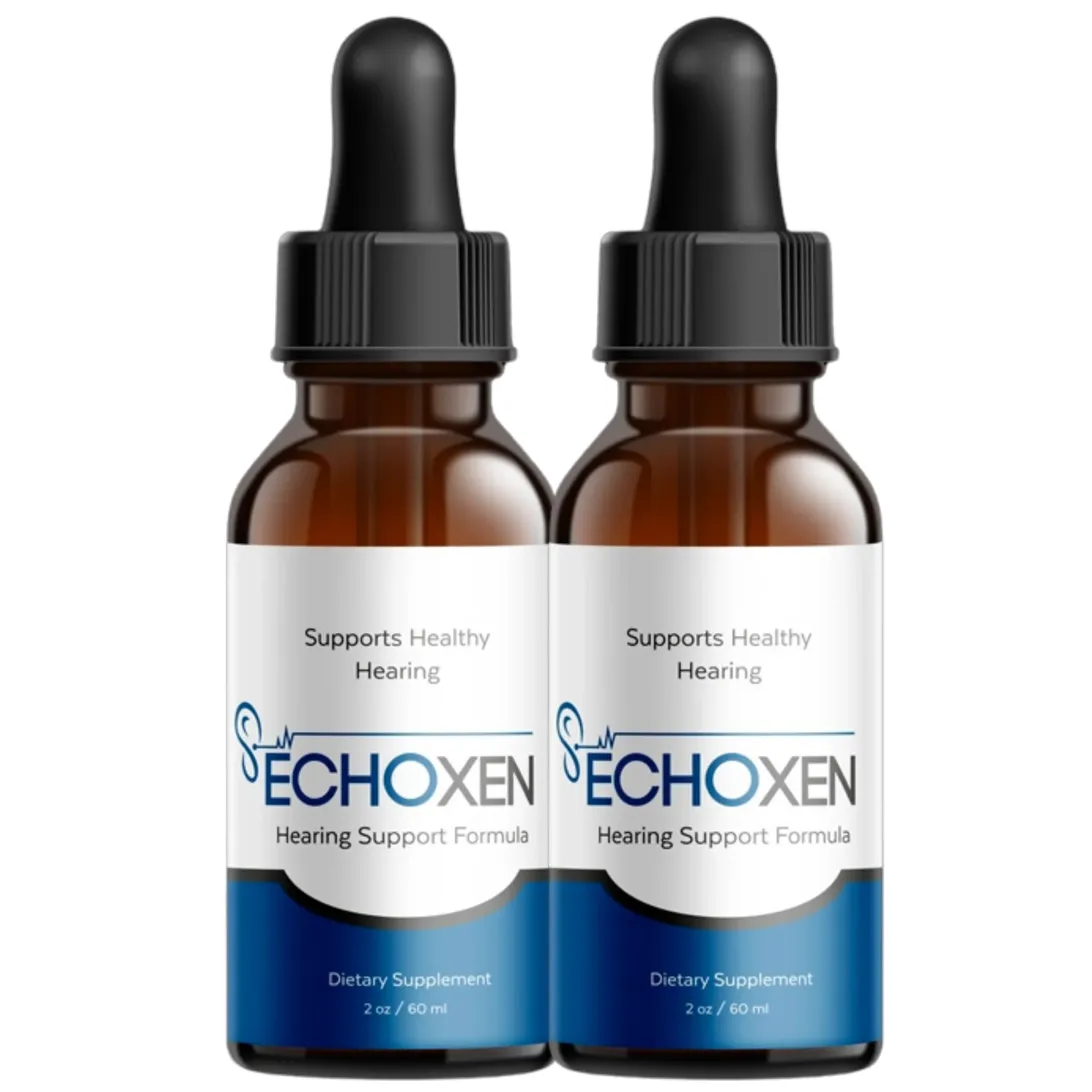
Are you struggling with persistent ringing in your ears or noticing a decline in your hearing clarity?
Many people experience these frustrating symptoms, often attributing them to aging or unavoidable factors. However, a less discussed but crucial aspect of auditory health lies in the efficiency of your inner ear's blood circulation. Just like any other part of your body, your inner ear requires a robust supply of oxygen and nutrients to function optimally, and when this supply is compromised, issues like tinnitus and hearing loss can emerge.
Understanding and addressing the health of your inner ear's circulatory system is a powerful step towards reclaiming your auditory well-being. This comprehensive guide will explore various natural strategies, including potent supplements and practical lifestyle adjustments, designed to enhance blood flow to these delicate structures. By focusing on improving inner ear circulation naturally, you can provide your ears with the support they need to thrive, potentially alleviating discomfort and sharpening your sense of sound.

The Critical Role of Inner Ear Circulation in Auditory Health
Your inner ear is a marvel of biological engineering, responsible not only for hearing but also for your sense of balance. Within its intricate labyrinth lie the cochlea and vestibular system, highly sensitive structures that rely on an uninterrupted supply of blood to function properly.
The cochlea, a snail-shaped organ, contains thousands of tiny hair cells that convert sound vibrations into electrical signals for your brain. These hair cells are incredibly delicate and require a constant flow of oxygen and nutrients to maintain their vitality. When blood circulation to this region is compromised, these vital cells can become deprived, leading to damage or dysfunction. This deprivation is often a significant factor in the onset and progression of conditions like tinnitus, characterized by ringing or buzzing in the ears, and various forms of sensorineural hearing loss.
Adequate blood flow ensures that metabolic waste products are efficiently removed, preventing their accumulation which could further harm inner ear cells. Think of your circulatory system as a delivery and waste disposal service for your cells; when it falters, everything suffers. Therefore, optimizing inner ear circulation isn't just about managing symptoms; it's about preserving the fundamental health and longevity of your auditory system.
💡 Key Takeaway
Robust inner ear circulation is fundamental for healthy hearing and balance. It ensures oxygen and nutrient delivery to delicate hair cells, crucial for preventing and managing conditions like tinnitus and hearing loss.
Common Causes of Impaired Inner Ear Circulation
Understanding what hinders blood flow to your inner ear is the first step in addressing the problem. Several factors, both medical and lifestyle-related, can contribute to diminished circulation.
Cardiovascular Issues
Conditions like high blood pressure (hypertension), atherosclerosis (hardening of the arteries), and high cholesterol can narrow blood vessels, reducing blood flow throughout the body, including the inner ear. Poor heart health directly impacts the efficiency of blood delivery to all organs.
Diabetes
Uncontrolled blood sugar levels can damage small blood vessels over time, a condition known as microangiopathy. This damage can be particularly detrimental to the fine capillaries supplying the inner ear, leading to impaired circulation and nerve damage.
Smoking and Alcohol
Smoking constricts blood vessels and reduces oxygen in the blood, while excessive alcohol consumption can also negatively impact circulation and overall ear health. Both habits are significant risk factors for auditory problems.
Aging
As we age, blood vessels naturally become less elastic and efficient, and the delicate structures of the inner ear can degrade. While aging is inevitable, its effects on circulation can be mitigated through proactive health measures.
Stress and Sedentary Lifestyle
Chronic stress can lead to vasoconstriction (narrowing of blood vessels) and elevate blood pressure. A lack of physical activity contributes to poor cardiovascular health, directly hindering efficient blood circulation to all parts of the body, including the inner ear.
Lifestyle Interventions for Enhanced Inner Ear Circulation
While some factors affecting inner ear circulation are beyond our immediate control, many powerful lifestyle changes can significantly improve blood flow and support overall auditory health. Incorporating these habits into your daily routine can make a profound difference.
1. Regular Physical Activity: Exercise is a cornerstone of cardiovascular health. Engaging in moderate-intensity aerobic activities like brisk walking, jogging, swimming, or cycling for at least 30 minutes most days of the week helps strengthen your heart and improve blood vessel elasticity. This enhanced systemic circulation directly benefits the microvasculature of the inner ear, ensuring a steady supply of oxygen and nutrients.
2. A Heart-Healthy Diet: What you eat profoundly impacts your circulatory system. Focus on a diet rich in fruits, vegetables, whole grains, lean proteins, and healthy fats. Foods high in antioxidants, such as berries, leafy greens, and dark chocolate, help combat oxidative stress which can damage blood vessels. Omega-3 fatty acids found in fish like salmon and flaxseeds are known for their anti-inflammatory properties and ability to support vascular health. Reducing intake of processed foods, excessive sugar, and saturated fats is equally important to prevent inflammation and arterial plaque buildup.
3. Hydration is Key: Water constitutes a significant portion of your blood volume. Staying adequately hydrated helps maintain blood viscosity, allowing it to flow more smoothly through vessels, including the tiny capillaries of the inner ear. Aim for at least 8 glasses of water daily, more if you're active or in a hot climate.
4. Stress Management: Chronic stress triggers the release of hormones like cortisol, which can lead to vasoconstriction and elevated blood pressure. Practices such as meditation, deep breathing exercises, yoga, or spending time in nature can help reduce stress levels, promoting better overall circulation and reducing the physiological strain on your auditory system.
5. Quit Smoking and Limit Alcohol: These habits are detrimental to blood vessel health. Smoking directly constricts blood vessels and reduces oxygen availability, while excessive alcohol can impair circulation and damage nerve cells. Eliminating or significantly reducing these can yield immediate and long-term benefits for your inner ear.
6. Manage Underlying Health Conditions: If you have conditions like high blood pressure, diabetes, or high cholesterol, diligent management through medication and lifestyle changes, as advised by your doctor, is paramount. Effective control of these conditions directly translates to improved circulatory health, benefiting your inner ear.
Essential Nutrients and Supplements for Inner Ear Circulation
Beyond lifestyle changes, certain vitamins, minerals, and herbal extracts have been extensively studied for their potential to support healthy blood flow and protect the delicate structures of the inner ear. Incorporating these into your regimen, often through targeted supplementation, can be a powerful strategy.
Magnesium
Magnesium is a vital mineral that plays a crucial role in regulating blood vessel tone and preventing spasm. It helps relax blood vessel walls, potentially increasing blood flow to the inner ear. Studies suggest magnesium supplementation can be beneficial for sudden hearing loss and tinnitus, particularly in cases linked to vascular issues.
Ginkgo Biloba
One of the most well-known herbs for circulatory health, Ginkgo Biloba is celebrated for its ability to improve blood flow, especially to the brain and inner ear. It also possesses antioxidant properties, protecting delicate cells from damage. Many individuals with tinnitus and vertigo report improvements with consistent Ginkgo use. If you're curious about specific ingredients like Ginkgo, you might want to read our article on EchoXen Ingredients: Ginkgo Biloba, Magnesium, B12.
B Vitamins (B6, B9, B12)
The B-complex vitamins, particularly B6, folate (B9), and B12, are essential for nerve health and homocysteine metabolism. Elevated homocysteine levels are associated with increased risk of cardiovascular disease and impaired blood flow, which can affect the inner ear. Supplementing with these B vitamins can help maintain healthy homocysteine levels and support overall neurological function.
Zinc
Zinc is an important trace mineral with antioxidant properties and a role in immune function. It's found in high concentrations in the inner ear and deficiencies have been linked to both tinnitus and hearing loss. Supplementation may help protect against oxidative damage and support the healing processes within the ear.
Alpha-Lipoic Acid (ALA)
A powerful antioxidant, ALA helps protect cells from damage caused by free radicals and supports nerve health. It can also improve blood flow by enhancing endothelial function, which is critical for healthy blood vessels. ALA's neuroprotective qualities make it a valuable nutrient for inner ear health.
Coenzyme Q10 (CoQ10)
CoQ10 is an antioxidant that plays a vital role in cellular energy production. It's particularly beneficial for tissues with high energy demands, like the inner ear. CoQ10 can also improve cardiovascular health, supporting better blood flow and protecting against oxidative stress, which is often implicated in age-related hearing decline.
EchoXen: A Natural Approach to Inner Ear Support
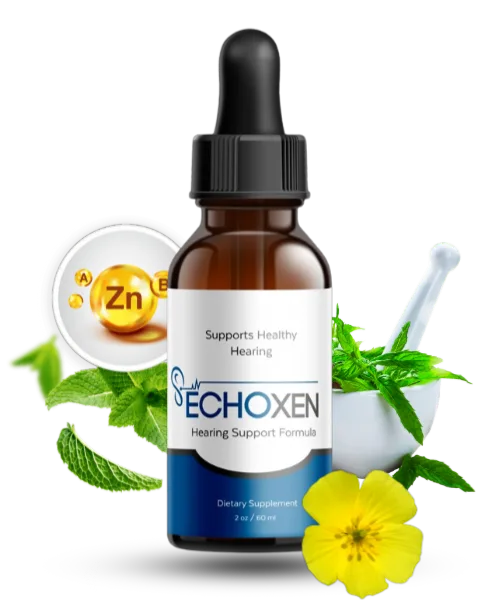
While a holistic approach to diet and lifestyle is crucial, some individuals seek targeted support through specialized supplements. EchoXen is formulated with a blend of natural ingredients designed to synergistically address factors contributing to poor inner ear circulation and overall auditory health. It aims to support healthy blood flow, reduce inflammation, and provide neuroprotective benefits to the delicate structures of the inner ear.

L-Tyrosine & L-Arginine
Role: L-Arginine is a precursor to nitric oxide, a powerful vasodilator that helps relax blood vessels and improve blood flow. L-Tyrosine supports neurotransmitter production, which can indirectly benefit nerve function and stress response, crucial for auditory health.
L-Arginine: 500-1000mg, L-Tyrosine: 300-600mg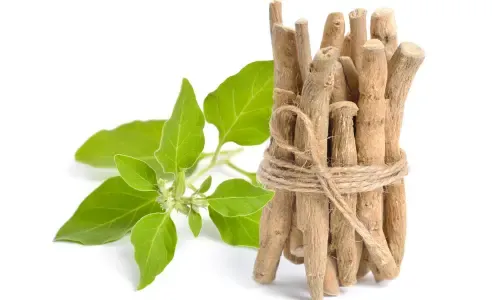
Ashwagandha & Piperine
Role: Ashwagandha is an adaptogen known for reducing stress and inflammation, which can indirectly support cardiovascular health and blood flow. Piperine (from black pepper) enhances the bioavailability of other nutrients, ensuring better absorption and efficacy of the formula.
Ashwagandha: 200-400mg, Piperine: 5-10mg
Catuaba & Damiana
Role: These traditional herbs are often used for their potential to enhance circulation and provide neuroprotective benefits. Catuaba is believed to support nerve function, while Damiana may help reduce anxiety and improve blood flow, contributing to overall well-being and ear health.
Catuaba: 150-300mg, Damiana: 100-200mg
Dong Quai
Role: Dong Quai is an herb traditionally used to improve blood circulation and reduce inflammation. Its vasodilatory properties can help ensure adequate blood supply to the delicate capillaries of the inner ear, supporting nutrient delivery and waste removal.
100-250mg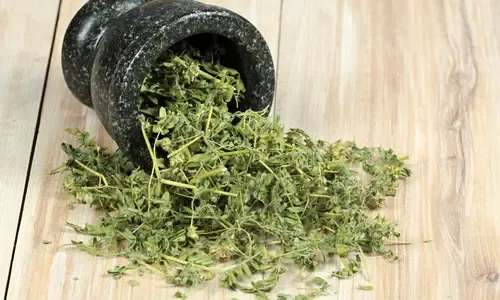
Epimedium & Tribulus Terrestris
Role: Both herbs are known for their potential to enhance circulation and support overall vitality. Epimedium may improve blood flow, while Tribulus Terrestris can support hormonal balance and cardiovascular health, indirectly benefiting ear circulation.
Epimedium: 100-200mg, Tribulus: 100-200mg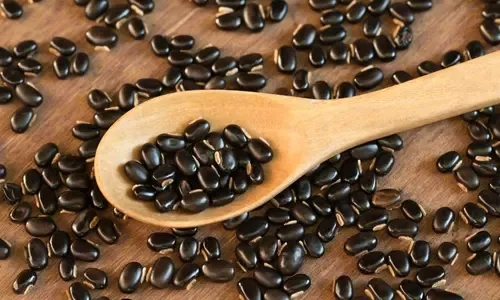
Mucuna Pruriens & Maca Root
Role: Mucuna Pruriens supports dopamine production, crucial for neurological health and mood regulation. Maca Root is an adaptogen that can enhance energy and stamina, contributing to overall physical well-being and stress reduction, which are beneficial for circulation.
Mucuna: 50-150mg, Maca: 100-200mg
Muira Puama & Ginger
Role: Muira Puama is known for its circulatory benefits and nerve support. Ginger is a potent anti-inflammatory and antioxidant, which can help reduce inflammation in blood vessels and improve overall blood flow, protecting the inner ear from damage.
Muira Puama: 50-100mg, Ginger: 50-100mg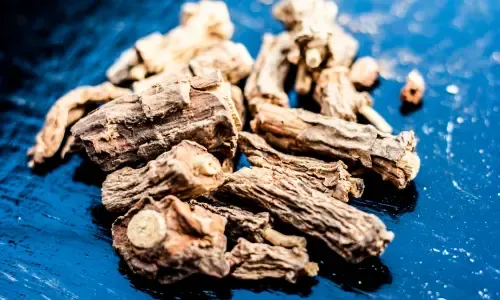
Sarsaparilla & Asparagus
Role: Sarsaparilla has anti-inflammatory properties and may support detoxification, which can indirectly aid circulatory health. Asparagus is rich in vitamins and minerals, including B vitamins and antioxidants, supporting overall cellular health and blood vessel integrity.
Sarsaparilla: 50-100mg, Asparagus: 50-100mg
Vitamin A, B Complex & Zinc
Role: A comprehensive blend of essential nutrients. Vitamin A supports cell growth and differentiation. B vitamins are crucial for nerve health and energy metabolism. Zinc is a vital trace mineral for immune function and inner ear integrity. Together, they provide foundational support for auditory health and nerve function.
Vitamin A: 1000-2000IU, B Complex: RDA, Zinc: 10-20mgEchoXen's formulation reflects a commitment to a multi-faceted approach, combining ingredients that support blood flow, nerve health, and cellular protection. For a deeper dive into how EchoXen compares to other options, consider reading our article: EchoXen vs. Other Tinnitus Supplements: A Comparison.
Beyond Supplements: Holistic Strategies for Auditory Wellness
While supplements and direct lifestyle changes are powerful, a truly holistic approach to inner ear health encompasses broader aspects of your well-being. Integrating these strategies can create a synergistic effect, enhancing the benefits of improved circulation.
Mindfulness and Relaxation Techniques: The link between stress and auditory symptoms like tinnitus is well-documented. Practicing mindfulness, meditation, or even simple deep breathing exercises can help calm the nervous system, reduce perceived stress, and promote better overall physiological function, including circulation. A relaxed state encourages vasodilation, allowing for more efficient blood flow.
Adequate Sleep: Quality sleep is essential for the body's repair and regeneration processes. During sleep, your body works to restore cells, regulate hormones, and manage inflammation. Chronic sleep deprivation can exacerbate stress, increase inflammation, and negatively impact cardiovascular health, all of which can indirectly impair inner ear circulation. Aim for 7-9 hours of restful sleep each night.
Protect Your Ears: Exposure to loud noises is a primary cause of hearing damage and can worsen tinnitus. Always use ear protection in noisy environments, such as concerts, construction sites, or when using power tools. Give your ears "quiet breaks" throughout the day to recover from auditory stimulation. This protection helps preserve the delicate hair cells that are so dependent on good circulation.
Regular Medical Check-ups: Ongoing monitoring of your overall health is critical. Regular check-ups can help identify and manage underlying conditions like hypertension, diabetes, or thyroid issues that might be contributing to poor circulation or auditory problems. Early detection and intervention are key to preventing further damage. Discuss any persistent auditory symptoms with your doctor or an audiologist.
Engage Your Brain: Keeping your brain active and engaged through learning new skills, reading, solving puzzles, or social interaction can help maintain cognitive function, which is often linked to auditory processing. A healthy, active brain supports its entire network, including the pathways connected to your ears.
By combining these holistic practices with targeted nutritional support and lifestyle adjustments, you create a comprehensive strategy for nurturing your inner ear. Understanding how to stop tinnitus naturally often involves a multi-pronged approach that includes these elements.
Ready to Experience Enhanced Inner Ear Health?
EchoXen offers a meticulously crafted formula designed to support healthy inner ear circulation, reduce the discomfort of tinnitus, and promote sharper hearing. With its blend of clinically studied ingredients, EchoXen provides targeted nutritional support for your auditory system.
- ✓ Supports healthy blood flow to the inner ear
- ✓ Helps reduce the perception of tinnitus
- ✓ Formulated with natural, potent ingredients
- ✓ Manufactured in a GMP-certified facility
- ✓ Backed by a 60-day money-back guarantee




What Our Customers Say About EchoXen
"I've been dealing with constant ringing for years, and it really affected my quality of life. After a few weeks of EchoXen, I noticed a significant reduction in the intensity. It's not completely gone, but it's so much more manageable now. I feel calmer and can focus better."
"My hearing felt dull, and I was constantly asking people to repeat themselves. My doctor suggested improving circulation. I started taking EchoXen along with more exercise, and I genuinely feel a difference. Sounds seem clearer, and I'm not straining as much during conversations. Highly recommend giving it a try."
"As someone who works in a noisy environment, I was worried about my long-term hearing. I started EchoXen as a preventative measure to support my ear health. I've experienced no new issues, and the subtle hum I used to hear is gone. It gives me peace of mind knowing I'm taking care of my ears naturally."
Frequently Asked Questions
What causes poor inner ear circulation?
+Poor inner ear circulation can stem from various factors including aging, high blood pressure, diabetes, smoking, chronic stress, lack of physical activity, and nutritional deficiencies. These can narrow blood vessels or impair blood flow to the delicate structures of the inner ear, leading to issues like tinnitus and hearing loss.
How can diet impact inner ear health?
+A diet rich in antioxidants, vitamins (especially B vitamins, C, E), and minerals (magnesium, zinc) can significantly support inner ear health. These nutrients help protect cells from damage, reduce inflammation, and improve blood flow. Conversely, diets high in processed foods, sugar, and unhealthy fats can contribute to inflammation and circulatory problems.
Are there specific exercises to improve inner ear circulation?
+While no exercises specifically target the inner ear, regular cardiovascular exercise (like walking, jogging, swimming) improves overall blood circulation, which benefits the entire body, including the inner ear. Activities that promote relaxation and reduce stress, such as yoga or tai chi, can also indirectly support circulatory health.
How long does it take to see improvements in inner ear circulation?
+The timeline for observing improvements can vary greatly depending on the individual, the severity of the underlying issues, and the consistency of natural interventions. Some people might notice subtle changes within a few weeks, while for others, it could take several months of consistent lifestyle changes and supplement use to experience significant benefits.
Can EchoXen help with inner ear circulation?
+EchoXen is formulated with a blend of natural ingredients known for their potential to support healthy blood flow, reduce inflammation, and provide neuroprotective benefits. Ingredients like L-Arginine, L-Tyrosine, and various herbal extracts are specifically chosen to support the intricate vascular network of the inner ear, helping to improve nutrient and oxygen delivery. However, it's a supplement and not a cure, and results vary.
Is EchoXen safe to use with other medications?
+EchoXen is an all-natural supplement, but it is always crucial to consult with your healthcare provider before combining it with any prescription medications or other supplements. Certain ingredients may interact with medications, especially those for blood pressure, blood thinning, or diabetes. Your doctor can provide personalized advice based on your health history.
Related Articles