Your Hearing Health Depends on Nutrients Most People Are Missing
The delicate structures of your inner ear are among the most metabolically active tissues in the human body. The cochlea alone contains approximately 15,000 hair cells that convert sound vibrations into electrical signals — and once damaged, these cells do not regenerate. Their survival depends entirely on a consistent supply of specific vitamins, minerals, and antioxidants delivered through the bloodstream.
Yet research from the National Health and Nutrition Examination Survey reveals that over 90% of Americans fail to meet recommended daily intake for at least one critical hearing-support nutrient. This widespread nutritional gap accelerates age-related hearing decline, increases tinnitus risk, and leaves the auditory system vulnerable to noise damage. Targeted supplementation with the right vitamins and minerals can meaningfully protect and support your hearing — but only if you choose the right nutrients at the right doses. This guide details exactly which vitamins and minerals clinical research validates for hearing health.
Essential Vitamins for Hearing Health
These vitamins have the strongest clinical evidence supporting their role in auditory function, cochlear protection, and hearing preservation. Deficiency in any of them significantly increases hearing loss risk.
Vitamin A — Cochlear Hair Cell Regeneration
Vitamin A plays a preventive and regenerative role in age-related hearing loss that few people appreciate. A landmark study published in the American Journal of Clinical Nutrition found that adequate vitamin A intake reduces the risk of moderate to severe hearing loss by nearly 50 percent in individuals over age 50. Vitamin A supports the structural integrity of cochlear hair cells and the stria vascularis — the tissue that maintains the chemical environment hair cells need to function. It also provides antioxidant protection against free radical damage from noise exposure and aging. Food sources include sweet potatoes, carrots, and liver, but therapeutic doses for hearing support typically require supplementation.
B Vitamins (B12 and Folate) — Auditory Nerve Integrity
Vitamins B12 and folate are critical for maintaining the myelin sheath — the insulating layer that surrounds auditory nerve fibers and enables rapid, accurate signal transmission from the cochlea to the brain. A study in the American Journal of Otolaryngology found that B12 deficiency is significantly more prevalent in tinnitus patients compared to the general population. Folate deficiency independently doubles the risk of age-related hearing loss by impairing homocysteine metabolism, which damages the vasculature supplying the inner ear. B6 also contributes by supporting neurotransmitter synthesis essential for auditory processing. Vegetarians and adults over 50 are at highest risk for B12 deficiency.
Vitamin C — Antioxidant Shield for Inner Ear Structures
Vitamin C is a powerful water-soluble antioxidant that neutralizes free radicals before they damage the delicate structures of the inner ear. Noise exposure, aging, and environmental toxins generate reactive oxygen species (ROS) that attack cochlear hair cells and auditory nerve fibers. Vitamin C also supports collagen production in the tissues surrounding the inner ear and enhances immune function to protect against ear infections. Research in the International Journal of Audiology demonstrates that combined antioxidant supplementation including Vitamin C significantly reduces noise-induced hearing damage.
Vitamin E — Lipid Peroxidation Prevention
As a fat-soluble antioxidant, Vitamin E protects the lipid-rich cell membranes of cochlear hair cells from peroxidation damage. The inner ear is particularly vulnerable to lipid peroxidation because its cell membranes contain high concentrations of polyunsaturated fatty acids essential for mechanotransduction — the process of converting sound vibrations into electrical signals. Vitamin E works synergistically with Vitamin C, with each regenerating the other's antioxidant capacity. Together, they provide comprehensive protection against both water-soluble and fat-soluble oxidative threats.
Essential Minerals for Hearing Support
These minerals are just as critical as vitamins for hearing health, yet they receive far less public attention. Deficiency in even one of these can accelerate hearing loss and worsen tinnitus symptoms.
Zinc — Cochlear Protection and Immune Defense
Zinc is one of the most well-researched minerals for hearing health. It is concentrated in the cochlea at levels 3-14 times higher than blood plasma, indicating its critical importance to inner ear function. Zinc supports hair cell survival, protects against noise-induced damage, and provides immune defense against ear infections. Research published in the Annals of Internal Medicine found that zinc supplementation significantly improved tinnitus symptoms in patients with zinc deficiency. Even mild zinc insufficiency — common in adults over 60 — can impair cochlear function and accelerate hearing decline.
Magnesium — Noise Damage Prevention and Blood Flow
Magnesium is arguably the most important mineral for protecting against noise-induced hearing loss. It acts as a natural calcium channel blocker in cochlear hair cells, preventing the excessive calcium influx that causes cell death after loud noise exposure. A landmark military study found that soldiers supplementing with magnesium before weapons training had significantly less noise-induced hearing loss than placebo groups. Magnesium also regulates blood flow to the inner ear by relaxing smooth muscle in blood vessel walls, ensuring adequate oxygen and nutrient delivery to cochlear structures.
Potassium — Endolymphatic Fluid Balance
Potassium maintains the unique ion concentration of endolymph — the fluid that bathes cochlear hair cells and creates the electrochemical gradient essential for mechanotransduction. When potassium levels drop, the endolymphatic potential decreases, and hair cells cannot properly convert sound vibrations into nerve signals. Age-related potassium decline is directly correlated with presbycusis (age-related hearing loss). Supplementation helps maintain the precise ionic environment that the cochlea requires for optimal sound processing and signal clarity.
Choice
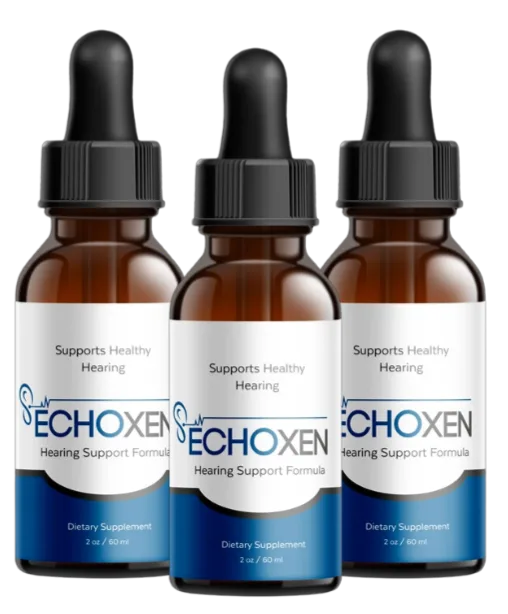
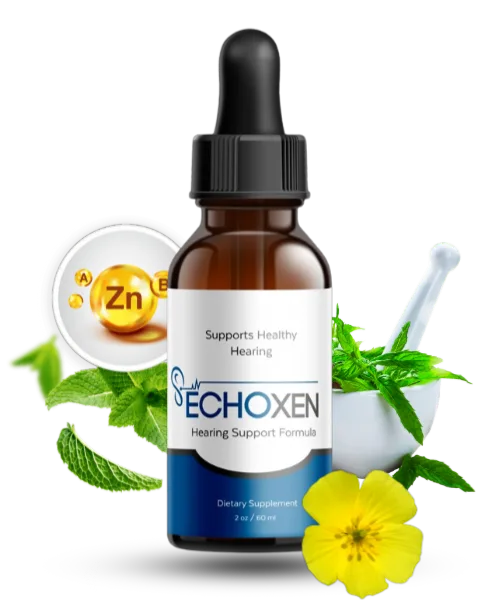
EchoXen — The Most Complete Hearing Vitamin and Mineral Formula in 2026
EchoXen goes beyond basic vitamins and minerals by combining essential micronutrients with 10 additional botanical extracts and amino acids that enhance absorption, improve circulation, and protect auditory nerves. Its 14-ingredient formula provides comprehensive hearing support that isolated vitamin supplements simply cannot match — earning a 4.8/5 rating from 38,000+ verified users.
Why Individual Vitamin Supplements Fall Short for Hearing
Many people try to support their hearing by taking individual vitamin or mineral supplements. While this approach is better than nothing, it has significant limitations that reduce effectiveness. Here is why a comprehensive formula delivers superior results.

The Synergy Problem: Nutrients Work Together
Why It Matters: Hearing health depends on multiple nutrients working synergistically. Vitamin C regenerates Vitamin E. Magnesium protects against calcium excitotoxicity. B vitamins require zinc for enzymatic activation. Taking any single nutrient in isolation ignores these critical interactions. A comprehensive formula like EchoXen ensures every ingredient has its synergistic partners present at the right ratios for maximum effectiveness.
14 synergistic ingredients in EchoXen
The Absorption Problem: Most Nutrients Are Poorly Absorbed
Why It Matters: Standalone vitamins and minerals often have poor bioavailability — meaning much of what you swallow never reaches your inner ear. EchoXen addresses this with Piperine (from black pepper extract), which clinical research shows enhances absorption of co-administered nutrients by 30-200%. Without a bioavailability enhancer, you may absorb as little as 10-15% of certain nutrients, essentially wasting money.
Piperine included for maximum absorption
The Delivery Problem: Nutrients Must Reach the Inner Ear
Why It Matters: Even well-absorbed nutrients are useless if they cannot reach the inner ear through its tiny capillary network. EchoXen includes circulation-boosting botanicals like Epimedium and Tribulus Terrestris that increase blood flow to the cochlea, ensuring that vitamins and minerals actually reach the auditory structures that need them. Without circulation support, nutrients accumulate in general circulation but never reach their target tissue.
Circulation enhancers included
The Inflammation Problem: Nutrients Cannot Fix Chronic Inflammation Alone
Why It Matters: Chronic neuroinflammation actively destroys the very structures that vitamins and minerals are trying to protect. Without anti-inflammatory compounds like Ginger Root and Dong Quai working alongside your hearing vitamins, you are trying to fill a bucket with a hole in the bottom. EchoXen combines anti-inflammatory botanicals with essential nutrients so that repair can outpace damage for the first time.
Anti-inflammatory botanicals included
The Processing Problem: Hearing Requires Brain Support Too
Why It Matters: Hearing is not just an ear function — it requires complex brain processing of auditory signals. Neurotransmitters like dopamine and norepinephrine are essential for sound discrimination, attention to speech, and filtering background noise. Mucuna Pruriens and L-Tyrosine in EchoXen support these neurotransmitter pathways, addressing the cognitive component of hearing that vitamins and minerals alone cannot touch.
Neurotransmitter support included
The Cost Problem: Individual Supplements Add Up Fast
Why It Matters: Purchasing each hearing-support nutrient separately — zinc, magnesium, B complex, vitamin A, vitamin C, vitamin E, plus botanical extracts — typically costs $60-120 per month for quality brands. EchoXen consolidates all 14 ingredients into a single formula at $49/bottle (with multi-bottle discounts), delivering better results at a lower total cost while ensuring proper ingredient ratios and synergistic dosing.
$49/bottle for 14 ingredients💡 Key Takeaway
While individual vitamins and minerals each play important roles in hearing health, they work exponentially better when combined with synergistic partners, bioavailability enhancers, circulation boosters, anti-inflammatory compounds, and neurotransmitter support. EchoXen is the only formula that addresses all six of these requirements in a single daily supplement — which is why it consistently outperforms isolated vitamin approaches in real-world customer results.
Get Every Essential Hearing Nutrient in One Formula
- Vitamins A, B complex, plus Zinc at clinical doses
- 10 additional botanical and amino acid ingredients
- Piperine for 30-200% enhanced nutrient absorption
- Circulation boosters for inner ear nutrient delivery
- 38,000+ verified 5-star customer reviews




Top Food Sources for Hearing-Support Nutrients
While supplementation provides the most reliable and concentrated nutrient delivery, these dietary choices can complement your supplement regimen for maximum hearing health support.
Zinc-Rich Foods for Cochlear Health
Oysters contain more zinc per serving than any other food. Other excellent sources include beef, crab, pumpkin seeds, chickpeas, and dark chocolate. Adults over 60 are particularly vulnerable to zinc insufficiency because absorption declines with age while excretion increases. Even with a zinc-rich diet, supplementation may be necessary to achieve therapeutic levels for hearing support.
Magnesium-Rich Foods for Noise Protection
Dark leafy greens like spinach and Swiss chard are excellent magnesium sources. Almonds, cashews, avocados, dark chocolate, and bananas also provide significant amounts. However, modern farming practices have depleted soil magnesium levels, meaning produce today contains 25-80% less magnesium than it did 50 years ago — making supplementation increasingly important for adequate intake.
Omega-3 Rich Foods for Inner Ear Circulation
Fatty fish including salmon, mackerel, sardines, and herring provide EPA and DHA omega-3 fatty acids that improve blood vessel flexibility and reduce inflammation. Population studies from Australia and Finland found that higher omega-3 intake correlates with 42% lower rates of age-related hearing loss. Aim for 2-3 servings of fatty fish per week alongside your hearing supplement regimen.
What Real Users Say About EchoXen's Nutrient Formula

"I was taking zinc, magnesium, and a B-complex separately for my hearing. When I switched to EchoXen, the difference was night and day. Within a month, my hearing clarity improved more than it had in 6 months of taking individual supplements. The comprehensive formula clearly works better than pieces of it separately. I should have started here."

"My audiologist suggested I look into nutritional support for my declining hearing. After researching, EchoXen had the most comprehensive vitamin and mineral profile I could find — plus the botanical ingredients that address circulation and inflammation. After 10 weeks, my hearing test showed measurable improvement in the higher frequencies. My audiologist was impressed."

"As a musician, protecting my hearing is everything. I started EchoXen for the magnesium and zinc content, but the full formula has exceeded my expectations. After years of loud performances, my ears feel more resilient. The tinnitus after gigs has virtually disappeared. The fact that it replaces 5 separate supplements I was buying is a huge bonus financially."
Frequently Asked Questions
What vitamins are best for hearing health?
+The most important vitamins for hearing health include Vitamin A for cochlear hair cell regeneration (reduces hearing loss risk by nearly 50% in adults over 50), B vitamins (B12 and folate) for auditory nerve myelin integrity, Vitamin C for antioxidant protection of inner ear structures, and Vitamin E for reducing oxidative damage to hair cell membranes. A comprehensive formula like EchoXen includes these alongside essential minerals and botanical extracts for maximum hearing support.
What minerals support hearing and reduce tinnitus?
+Key minerals for hearing support include Zinc for cochlear hair cell protection and immune defense in the ear canal, Magnesium for preventing noise-induced hearing damage and regulating inner ear blood flow, and Potassium for maintaining the endolymphatic fluid balance that cochlear hair cells require for mechanotransduction. EchoXen includes zinc alongside 13 other hearing support ingredients at clinically validated doses.
Can vitamin deficiencies cause hearing loss?
+Yes. Research published in the American Journal of Clinical Nutrition confirms that deficiencies in Vitamin B12, folate, Vitamin A, zinc, and magnesium are directly associated with increased hearing loss risk. B12 deficiency damages the myelin sheath around auditory nerves, zinc deficiency impairs cochlear function, and magnesium deficiency increases vulnerability to noise-induced hearing damage. Correcting these deficiencies through supplementation can meaningfully support hearing health.
How much zinc should I take for hearing support?
+Clinical studies on zinc for hearing support typically use 15-50mg of elemental zinc daily. Zinc is concentrated in the cochlea at levels 3-14 times higher than blood plasma, indicating its critical importance to inner ear function. EchoXen includes zinc at a clinically validated dose alongside complementary nutrients like Piperine that enhance its absorption and effectiveness.
Do B vitamins help with tinnitus?
+Research supports a significant connection between B vitamins and tinnitus management. A study in the American Journal of Otolaryngology found that B12 deficiency is substantially more prevalent in tinnitus patients compared to the general population. Supplementation with B12 and folate helps maintain myelin sheath integrity around auditory nerves, improving signal transmission and potentially reducing tinnitus intensity over 8-12 weeks of consistent use.
What is the best supplement for hearing vitamins and minerals?
+The best hearing supplement provides multiple vitamins and minerals alongside botanical extracts and bioavailability enhancers for comprehensive auditory support. EchoXen ranks #1 in our evaluation with 14 ingredients including Vitamins A and B complex, Zinc, plus circulation-boosting and neuroprotective botanicals. It has a 4.8/5 rating from 38,000+ verified users and is backed by a 60-day money-back guarantee.
Related Articles

Complete Hearing Nutrition in One Daily Supplement
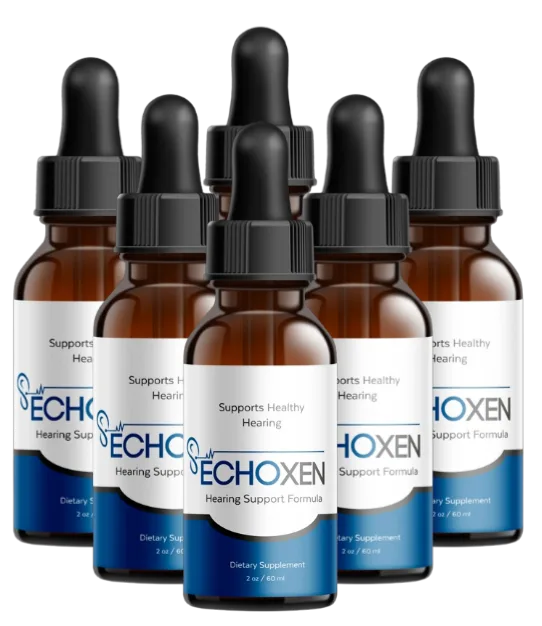
EchoXen delivers every essential hearing vitamin and mineral alongside 10 botanical extracts and amino acids that enhance absorption, boost circulation, and protect auditory nerves. No more juggling 5-6 separate supplement bottles. One comprehensive formula provides everything your auditory system needs — backed by 38,000+ satisfied customers and a 60-day money-back guarantee.