Are you unknowingly damaging your hearing with everyday sounds?
In our modern world, loud noises are ubiquitous – from bustling city streets and energetic concerts to personal headphones and power tools. While these sounds are often a part of our daily lives, many people are unaware of the profound and often irreversible damage they can inflict on our most delicate sensory organ: the ear. Noise-Induced Hearing Loss (NIHL) is a pervasive yet largely preventable condition, affecting millions globally and significantly impacting quality of life.
Understanding the mechanisms behind NIHL is the first critical step toward safeguarding your auditory health. This comprehensive guide will delve into how excessive noise damages the ear, the insidious ways hearing loss develops over time, and, most importantly, provide actionable strategies to protect your precious sense of hearing for years to come.
What is Noise-Induced Hearing Loss (NIHL)?
Noise-Induced Hearing Loss (NIHL) is exactly what its name suggests: hearing impairment caused by exposure to loud sounds. It is a type of sensorineural hearing loss, meaning it involves damage to the inner ear or the auditory nerve.
Unlike conductive hearing loss, which often involves blockages or issues in the outer or middle ear and can sometimes be medically or surgically corrected, sensorineural hearing loss often results in permanent damage. NIHL can affect one or both ears and can manifest immediately after a sudden, extremely loud noise (acoustic trauma) or gradually over time from repeated exposure to moderately loud sounds. The insidious nature of gradual NIHL often means individuals don't notice the problem until it has progressed significantly, making awareness and prevention crucial.
The Delicate Machinery of Your Ear: A Brief Overview
To understand how noise damages hearing, it's helpful to first grasp the basic anatomy of the ear. The ear is an incredibly complex organ, divided into three main parts:
- Outer Ear: The visible part (pinna) and the ear canal. It collects sound waves and funnels them towards the eardrum.
- Middle Ear: Separated from the outer ear by the eardrum, this air-filled cavity contains three tiny bones (ossicles): the malleus (hammer), incus (anvil), and stapes (stirrup). These bones amplify and transmit vibrations from the eardrum to the inner ear.
- Inner Ear: This is where the magic happens. It houses the cochlea, a snail-shaped, fluid-filled structure lined with thousands of microscopic sensory hair cells. These hair cells are the true transducers of sound, converting mechanical vibrations into electrical signals. The inner ear also contains the vestibular system, responsible for balance.
When sound waves enter the ear, they cause the eardrum to vibrate. These vibrations are then transferred through the ossicles to the fluid in the cochlea. This fluid movement stimulates the tiny hair cells, which then send electrical impulses via the auditory nerve to the brain, where they are interpreted as sound. This intricate process allows us to perceive the vast spectrum of sounds in our environment.
How Noise Damages Hearing: The Mechanism of NIHL
The primary target of noise damage in the ear is the delicate hair cells within the cochlea. These cells are highly sensitive and can be damaged or destroyed by excessive sound energy. Here’s a breakdown of the process:
- Overstimulation: When exposed to loud noise, the fluid in the cochlea moves with extreme force, causing the hair cells to vibrate intensely. This overstimulation can physically damage the hair cells, bending or breaking their stereocilia (the tiny hair-like projections on their surface).
- Metabolic Exhaustion: Prolonged exposure to loud noise can also lead to metabolic stress and exhaustion of the hair cells. They work overtime trying to process the intense sound, which can deplete their energy reserves and lead to their death.
- Oxidative Stress: Loud noise generates harmful free radicals within the cochlea. These unstable molecules cause oxidative stress, damaging cellular structures, including the hair cells and nerve fibers. This is a critical pathway for permanent damage.
- Inflammation: Intense noise exposure can trigger an inflammatory response within the inner ear, further contributing to cellular damage and disrupting the delicate balance required for healthy auditory function.
- Excitotoxicity: Some research suggests that excessive noise can lead to an overproduction of certain neurotransmitters, such as glutamate, which can become toxic to the nerve cells in the cochlea when present in high concentrations.
Once these hair cells are damaged or destroyed, they do not regenerate. This means the hearing loss is permanent. Different frequencies of sound stimulate different hair cells along the cochlea. Typically, the hair cells responsible for high-frequency sounds (which are often the first to be affected by noise) are located at the base of the cochlea and are more vulnerable to noise damage.
Types of Noise Exposure Leading to NIHL
NIHL can arise from two main types of noise exposure:
- Acute Exposure (Acoustic Trauma): This occurs from a single, intense burst of sound, such as an explosion, gunshot, or firecracker. The damage can be immediate and severe, potentially causing a ruptured eardrum, dislocated ossicles, or extensive hair cell destruction.
- Chronic Exposure: This is more common and develops gradually over time due to repeated or prolonged exposure to moderately loud noises. Examples include working in noisy environments (construction, manufacturing, aviation), attending loud concerts regularly, or consistently listening to music at high volumes through headphones.
The cumulative effect of chronic exposure is often underestimated. Even sounds that don't seem "painfully" loud can cause damage if exposure is long enough. The general rule of thumb is that sounds at or above 85 decibels (dB) can cause permanent hearing loss over time. For comparison, normal conversation is about 60 dB, a busy city street is 70-80 dB, and a rock concert can easily exceed 100-120 dB.
Temporary vs. Permanent Threshold Shift
After exposure to loud noise, you might experience a temporary dullness in hearing or ringing in your ears – this is known as a Temporary Threshold Shift (TTS). This occurs when hair cells are fatigued but not permanently damaged. Your hearing usually recovers within hours or days. However, repeated TTS can eventually lead to a Permanent Threshold Shift (PTS), where the hair cells are irreversibly damaged, and the hearing loss becomes permanent. This transition from temporary to permanent damage underscores the importance of taking preventative measures seriously.
💡 Key Takeaway
Noise-Induced Hearing Loss (NIHL) is permanent damage to the inner ear's hair cells caused by excessive noise. It can result from single acoustic traumas or cumulative exposure to loud sounds (above 85 dB). Understanding this irreversible damage highlights the critical need for proactive prevention.
Recognizing the Signs: Symptoms of NIHL
Since NIHL often develops gradually, its symptoms can be subtle at first, making early detection challenging. However, certain signs should prompt you to seek professional evaluation.
The most common symptom is, of course, a progressive hearing loss. Initially, this often affects the higher frequencies, making it difficult to hear sounds like birds chirping, women's and children's voices, or certain consonants (e.g., 's', 'f', 'th'). Conversations might become challenging, especially in noisy environments, as you struggle to distinguish speech from background noise. You may find yourself frequently asking people to repeat themselves or turning up the volume on your television or radio to uncomfortable levels for others.
Another prevalent symptom associated with NIHL is tinnitus. Tinnitus is the perception of sound when no external sound is present. It's often described as a ringing, buzzing, hissing, whistling, or clicking sound in one or both ears. For many, tinnitus is a constant companion, causing significant distress, sleep disturbances, and difficulty concentrating. While tinnitus can have various causes, it is very frequently linked to noise exposure and the subsequent damage to auditory pathways. The severity of tinnitus doesn't always correlate with the degree of hearing loss; some individuals with mild hearing loss experience severe tinnitus, and vice versa.
Other signs can include a feeling of fullness or pressure in the ears, or a muffled perception of sounds immediately after noise exposure. If you experience any of these symptoms, especially after being in a loud environment, it's crucial to consult an audiologist or an Ear, Nose, and Throat (ENT) specialist. Early diagnosis can help manage symptoms and implement strategies to prevent further hearing deterioration. Understanding these warning signs empowers you to take action before the damage becomes more profound.
Who is at Risk? Common Sources of Harmful Noise
While anyone can develop NIHL, certain professions and recreational activities carry a significantly higher risk due to consistent exposure to hazardous noise levels.
Occupational Noise Exposure: Many workplaces expose employees to noise levels that exceed safe limits. Industries such as manufacturing, construction, agriculture, mining, aviation, and military service are notorious for high noise environments. Workers in these fields are often exposed to heavy machinery, power tools, jet engines, and other loud equipment for extended periods. Without proper hearing protection and adherence to safety protocols, these individuals face a very high risk of developing NIHL over their careers. Employers have a responsibility to provide hearing protection and enforce noise control measures, but individual vigilance is also key.
Recreational Noise Exposure: It's not just work that poses a threat. Many popular leisure activities also expose us to dangerous levels of sound:
- Concerts, Nightclubs, and Festivals: Live music venues can easily reach 100-120 dB, far exceeding safe limits for even short durations. Regular attendance without hearing protection can lead to severe NIHL.
- Personal Listening Devices (Headphones/Earbuds): Listening to music or podcasts at high volumes through headphones is a widespread habit, especially among younger generations. Many devices can produce sounds well over 100 dB, and prolonged use at these levels is a significant contributor to NIHL.
- Hunting and Shooting Sports: Firearms produce impulse noise that can reach 140-170 dB, causing immediate and profound damage. Hearing protection is absolutely essential in these activities.
- Power Tools and Lawn Equipment: Using chainsaws, leaf blowers, drills, and other noisy tools around the home can expose individuals to 90-110 dB. Even short bursts of exposure can be harmful over time.
- Motorcycles, ATVs, and Snowmobiles: The engines of these vehicles can generate noise levels that, over extended rides, can contribute to hearing damage.
Beyond these, even seemingly innocuous activities like attending sporting events, using noisy household appliances, or riding in loud vehicles can add to your cumulative noise exposure. Understanding these risks is the first step in taking control and implementing effective prevention strategies.
The Foundation of Protection: Preventing Noise-Induced Hearing Loss
Since NIHL is largely irreversible, prevention is not just the best strategy—it's the only cure. Protecting your hearing requires conscious effort and consistent action.
Avoidance and Reduction of Noise Exposure
The simplest and most effective way to prevent NIHL is to avoid or reduce exposure to loud noises whenever possible. This means being mindful of your environment. If a situation is too loud, remove yourself from it. Choose quieter restaurants, move away from speakers at concerts, and opt for quieter routes when walking or cycling. Every decibel reduction and every minute less of exposure makes a difference in preserving your hearing health.
Utilize Hearing Protection
When avoidance isn't possible, hearing protection is your next line of defense. There are several effective options available:
- Earplugs: Inexpensive and portable, earplugs come in various forms, from disposable foam plugs to reusable silicone or custom-molded options. They work by blocking the ear canal, reducing the intensity of sound reaching the eardrum.
- Earmuffs: These fit over the entire ear, creating an acoustic seal. They are often more effective for very loud environments and are commonly used in industrial settings or for shooting sports.
- Noise-Canceling Headphones: While not a replacement for earplugs or earmuffs in extremely loud environments, active noise-canceling headphones can reduce background noise, allowing you to listen to music or audio at lower, safer volumes.
Practice Safe Listening Habits
For personal listening devices, the "60/60 rule" or "80/90 rule" is a good guideline: listen at no more than 60% of the maximum volume for no more than 60 minutes at a time, taking a break afterward. Some experts now suggest 80% volume for 90 minutes. Regardless, keep the volume at a comfortable level where you can still hear people talking around you without difficulty. Consider using over-ear headphones instead of earbuds, as they often provide better sound isolation, allowing for lower listening volumes.
Regular Hearing Screenings and Check-ups
Even with preventative measures, it's wise to undergo regular hearing screenings, especially if you are frequently exposed to loud noise. An audiologist can perform comprehensive hearing tests to detect early signs of hearing loss, often before you even notice symptoms. Early detection allows for prompt intervention and adjustments to your protective strategies, helping to preserve your remaining hearing. Don't wait until symptoms become severe; be proactive with your auditory health.
Support Auditory Health Through Lifestyle and Nutrition
While prevention is key, supporting your body's natural defenses can also play a role. A healthy lifestyle, including a balanced diet rich in antioxidants, vitamins, and minerals, can contribute to overall cellular health, including the delicate cells of the inner ear. Certain nutrients like magnesium, zinc, and various B vitamins have been studied for their potential roles in protecting against noise damage and supporting nerve function. While not a substitute for physical protection, this holistic approach complements other prevention efforts. For more insights into beneficial nutrients, explore our article on hearing support vitamins and minerals.

The Intricate Link Between NIHL and Tinnitus
Tinnitus, the perception of sound in the absence of an external source, is a common and often distressing companion to noise-induced hearing loss. While not everyone with NIHL experiences tinnitus, and not all tinnitus is caused by noise, the correlation is strong.
When the delicate hair cells in the cochlea are damaged by loud noise, they may stop sending proper signals to the brain. In response to this lack of input, the brain sometimes "overcompensates" by generating its own internal sounds, which we perceive as tinnitus. It's often described as a phantom limb sensation for the ear – the brain is trying to hear something that isn't there, leading to the constant ringing, buzzing, or hissing. The severity and nature of tinnitus can vary greatly, from a mild, intermittent annoyance to a debilitating, constant roar that significantly impacts daily life, sleep, and mental well-being.
Managing tinnitus often involves a multi-faceted approach. While there is no single "cure," strategies can help reduce its perceived loudness and impact. These include sound therapy (using white noise or other sounds to mask or habituate to the tinnitus), cognitive-behavioral therapy (CBT) to help cope with the psychological distress, and lifestyle adjustments. For some, specific nutritional support and natural supplements have shown promise in supporting the auditory system and reducing tinnitus symptoms. Ingredients like certain antioxidants, anti-inflammatory compounds, and neuroprotectants may help support nerve function and modulate the brain's response to auditory signals. Understanding this complex relationship is crucial for both prevention and effective management.
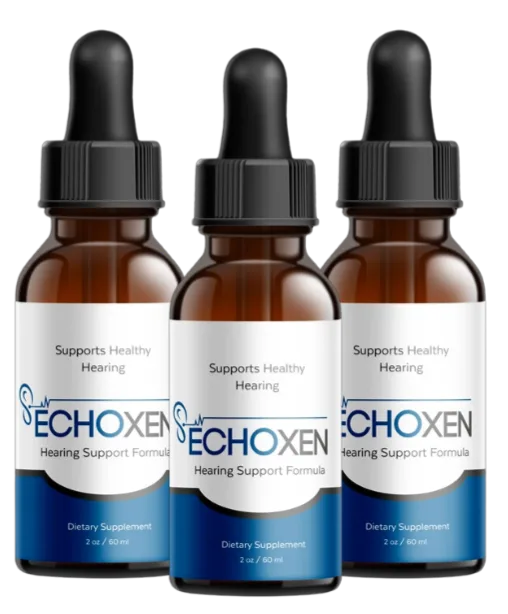
EchoXen: A Natural Approach to Auditory Wellness
While physical protection from noise is paramount, supporting your inner ear's resilience and overall auditory health from within can provide an additional layer of defense and aid in managing existing concerns like tinnitus.
EchoXen is a meticulously formulated natural supplement designed to support the intricate mechanisms of the auditory system. It brings together a blend of potent ingredients, each selected for its traditional use and scientific backing in promoting nerve health, reducing oxidative stress, and supporting healthy blood flow to the inner ear. The philosophy behind EchoXen is to provide comprehensive support, addressing not just symptoms but the underlying physiological factors that contribute to auditory decline and tinnitus.
Many individuals seek natural alternatives to complement their hearing health strategies. EchoXen aims to fill this gap by offering a blend of vitamins, minerals, and herbal extracts known for their neuroprotective, anti-inflammatory, and circulatory benefits. By nourishing the auditory pathways and helping to mitigate factors like oxidative damage that are often exacerbated by noise exposure, EchoXen offers a gentle yet powerful approach to maintaining and potentially improving auditory well-being. It's designed to be a supportive element in a holistic hearing health regimen, working alongside protective measures and regular medical check-ups. To understand more about how our unique blend of ingredients works, you might find our article on how EchoXen works insightful.
Key Ingredients in EchoXen for Auditory Support
EchoXen's formula is a synergy of natural compounds, each playing a vital role in supporting hearing health and addressing concerns like tinnitus. Here are some of the star ingredients:

Ashwagandha & Piperine
Role: Ashwagandha is an adaptogen, helping the body manage stress, which can exacerbate tinnitus. Piperine enhances the bioavailability of other ingredients, ensuring maximum absorption and effectiveness.
Ashwagandha 300-500mg, Piperine 5-10mg
Catuaba & Damiana
Role: These herbs are traditionally known for their neuroprotective and mood-enhancing properties. They can help reduce anxiety and improve overall well-being, indirectly benefiting individuals coping with tinnitus.
Catuaba 100-200mg, Damiana 50-150mg
Dong Quai
Role: Often used in traditional medicine for its circulatory benefits, Dong Quai may help improve blood flow to the inner ear, which is crucial for nutrient delivery and waste removal, supporting healthy auditory function.
Dong Quai 100-300mg
Epimedium & Tribulus Terrestris
Role: These botanicals are known for their antioxidant properties and ability to support overall vitality. They contribute to cellular protection and can aid in maintaining the health of delicate ear structures.
Epimedium 100-250mg, Tribulus 100-250mg
L-Tyrosine & L-Arginine
Role: L-Tyrosine supports neurotransmitter production, which is essential for healthy nerve function. L-Arginine is a precursor to nitric oxide, promoting healthy blood vessel dilation and circulation to the inner ear.
L-Tyrosine 100-300mg, L-Arginine 100-250mg
Mucuna Pruriens & Maca Root
Role: Mucuna Pruriens contains L-Dopa, a precursor to dopamine, supporting brain health. Maca Root is an adaptogen that helps balance hormones and energy, contributing to overall systemic wellness, which can impact auditory health.
Mucuna Pruriens 50-150mg, Maca Root 100-250mg
Vitamin A, B Complex & Zinc
Role: Essential micronutrients for cellular health and nerve function. Vitamin A supports epithelial tissues, B vitamins are crucial for nerve health, and Zinc is a powerful antioxidant and immune booster, vital for inner ear health.
Varies by specific vitamin
Take Control of Your Auditory Future with EchoXen
Don't let noise-induced hearing loss and persistent tinnitus dictate your life. EchoXen offers a powerful, natural solution designed to support your hearing health from the inside out. With its blend of scientifically-backed ingredients, EchoXen is more than just a supplement; it's an investment in your well-being and the clarity of your future.
- ✓ Supports Healthy Auditory Function
- ✓ Helps Reduce Tinnitus Symptoms
- ✓ Protects Against Oxidative Stress
- ✓ Enhances Blood Flow to the Inner Ear
- ✓ 100% Natural, Non-GMO, and Made in USA




What Our Customers Are Saying
"I've been dealing with constant ringing for years, a souvenir from my days in a noisy factory. After trying EchoXen for a few months, I've noticed a significant reduction in the intensity of my tinnitus. It's not gone, but it's much more manageable now, and I can finally focus better. Highly recommend!"
"My audiologist told me to protect my hearing, but I always felt like there was nothing I could do to support it actively. EchoXen changed that. I feel more confident about my ear health, and I've even noticed a slight improvement in clarity. It's become a key part of my daily routine."
"I was skeptical at first, but the natural ingredients in EchoXen caught my eye. As someone who's always been around loud music, I started taking it preventatively. I haven't had any new hearing issues, and the subtle ringing I sometimes experienced has become almost non-existent. Worth every penny!"
Frequently Asked Questions
What exactly is Noise-Induced Hearing Loss (NIHL)?
+Noise-induced hearing loss (NIHL) is a type of sensorineural hearing loss caused by exposure to loud sounds, either suddenly or over time. It results from damage to the delicate hair cells in the inner ear, which are responsible for converting sound vibrations into electrical signals that the brain interprets as sound. Once these hair cells are damaged or destroyed, they cannot regenerate, leading to permanent hearing impairment and often, tinnitus.
How loud is too loud, and what are safe listening levels?
+Sound intensity is measured in decibels (dB). Prolonged exposure to sounds above 85 dB can cause hearing damage. For context, normal conversation is around 60 dB, a busy street is 70-80 dB, and a rock concert or power tools can exceed 100 dB. The general rule for safe listening is the '80-90 rule': listen at no more than 80% volume for no more than 90 minutes a day. For higher decibel levels, the safe exposure time is significantly shorter. Using a sound level meter app can help monitor your environment.
Can NIHL be reversed or cured?
+Unfortunately, the damage to inner ear hair cells caused by NIHL is generally permanent and irreversible. Unlike some other cells in the body, these specialized hair cells do not regenerate. While hearing aids can amplify sounds to compensate for the loss, they do not restore natural hearing. This is why prevention is paramount. Early intervention for temporary threshold shifts can sometimes prevent permanent damage, but once permanent damage occurs, the focus shifts to management and preventing further loss.
What are the most effective ways to prevent NIHL?
+The most effective prevention strategies for NIHL involve reducing exposure to loud noise. This includes using hearing protection like earplugs or earmuffs in noisy environments, maintaining safe listening levels for personal audio devices, moving away from loud noise sources, and taking regular breaks from noise. Regular hearing screenings can also help detect early signs of damage, allowing for proactive measures to be taken before significant loss occurs.
Is tinnitus always a sign of NIHL, and can it be treated?
+While tinnitus, a ringing or buzzing in the ears, is a common symptom of NIHL, it's not exclusively caused by noise exposure. It can also result from age-related hearing loss, earwax blockage, certain medications, and other health conditions. Tinnitus itself doesn't have a universal cure, but various management strategies can help reduce its impact. These include sound therapy, cognitive behavioral therapy (CBT), dietary adjustments, and in some cases, supplements containing ingredients believed to support auditory nerve health and reduce inflammation.
How can I tell if I might have NIHL?
+Common signs of NIHL include difficulty hearing high-pitched sounds, trouble understanding conversations in noisy environments, a constant ringing or buzzing in your ears (tinnitus), or needing to turn up the volume on your TV or radio more than usual. If you suspect you might have NIHL, it's crucial to consult an audiologist or an ENT specialist for a comprehensive hearing evaluation. Early diagnosis can help in managing symptoms and preventing further damage.
Related Articles