Are You Tired of the Constant Ringing, Buzzing, or Hissing in Your Ears?
Tinnitus, the perception of sound in one or both ears when no external sound is present, affects millions worldwide. It's not a disease itself, but rather a symptom of an underlying condition, often related to hearing loss or other health issues. While there's no single cure, proactive lifestyle adjustments can significantly reduce its impact and help protect your precious hearing.
Living with tinnitus can be incredibly frustrating, impacting sleep, concentration, and overall quality of life. But imagine a life where those intrusive sounds are diminished, and your hearing feels clearer and more robust. This article will guide you through practical, evidence-based lifestyle strategies to help you manage tinnitus symptoms and safeguard your auditory health for the long term.

Understanding Tinnitus and Hearing Loss: The Interconnected Challenge
Before diving into solutions, it's crucial to understand what tinnitus and hearing loss truly are and how they often go hand-in-hand. This foundation will empower you to make informed decisions about your auditory health.
Tinnitus is not a disease but a symptom. It's the perception of sound in the ears or head where no external source is present. This phantom sound can manifest as a ringing, buzzing, hissing, clicking, or roaring. It can be intermittent or constant, mild or severe, and can occur in one or both ears. While often associated with hearing loss, it can also be triggered by other factors such as earwax blockage, certain medications (ototoxic drugs), temporomandibular joint (TMJ) disorders, head injuries, and even cardiovascular conditions. The exact mechanism isn't fully understood, but it's believed to involve changes in the neural pathways that process sound, often in response to damage to the delicate hair cells in the inner ear.
Hearing loss, on the other hand, refers to a diminished ability to hear sounds. It can range from mild to profound and can be conductive (problems with sound conduction through the outer or middle ear), sensorineural (damage to the inner ear or auditory nerve), or mixed. Age-related hearing loss (presbycusis) and noise-induced hearing loss are the most common types. The link between tinnitus and hearing loss is strong; approximately 80% of people with tinnitus also experience some degree of hearing loss. When the brain doesn't receive enough external sound input due to hearing damage, it may try to compensate by generating its own internal sounds, leading to tinnitus. Protecting your hearing is, therefore, a primary step in both preventing and managing tinnitus.
Recognizing the intricate relationship between these two conditions is the first step towards effective management. By addressing both the symptoms of tinnitus and the underlying causes of hearing impairment, you can significantly improve your quality of life. Many of the lifestyle strategies discussed in this article are beneficial for both conditions, offering a holistic approach to auditory well-being. For those seeking to address underlying issues naturally, exploring resources like how to stop tinnitus naturally can provide further insights.
💡 Key Takeaway
Tinnitus is usually a symptom of an underlying issue, often hearing loss. Managing both requires a holistic approach focusing on protection, lifestyle, and potentially natural support for auditory health.
Essential Lifestyle Strategies for Tinnitus Relief and Hearing Protection
Adopting specific lifestyle habits can make a profound difference in mitigating tinnitus symptoms and safeguarding your hearing. These strategies are not quick fixes but sustainable practices that contribute to overall well-being and auditory health.
Prioritize Noise Protection
One of the leading causes of both tinnitus and permanent hearing loss is exposure to excessive noise. Whether it's loud concerts, industrial machinery, firearms, or even excessively loud headphones, prolonged or intense noise can damage the delicate hair cells in your inner ear. Always use earplugs, earmuffs, or noise-canceling headphones in noisy environments. Be mindful of volume levels when using personal audio devices. This simple step is perhaps the most critical for prevention.
Manage Stress Effectively
Stress doesn't cause tinnitus, but it can significantly worsen its perception. When you're stressed, your body goes into "fight or flight" mode, which can heighten your awareness of internal sensations, including tinnitus. Incorporate stress-reduction techniques into your daily routine. Practices like meditation, mindfulness, yoga, deep breathing exercises, and spending time in nature can help calm your nervous system and reduce the intensity of tinnitus. Regular relaxation can break the cycle of stress-induced tinnitus amplification.
Adopt a Tinnitus-Friendly Diet
While specific dietary triggers vary, some foods and substances are known to exacerbate tinnitus for certain individuals. Limiting intake of caffeine, alcohol, nicotine, and high-sodium foods can be beneficial. Instead, focus on a balanced diet rich in antioxidants, vitamins (especially B vitamins, C, E), and minerals (like zinc and magnesium). These nutrients support overall nerve health and circulation, which are vital for auditory function. Hydration is also key; ensure you're drinking plenty of water throughout the day.
Regular Physical Activity
Engaging in regular exercise improves blood circulation throughout the body, including the inner ear. Good blood flow is essential for delivering oxygen and nutrients to the delicate structures responsible for hearing, thereby supporting their health and function. Exercise also acts as a natural stress reliever, further contributing to tinnitus management. Aim for at least 30 minutes of moderate-intensity exercise most days of the week, choosing activities you enjoy.
Ensure Adequate Sleep
Lack of sleep can heighten stress and make tinnitus more noticeable and bothersome. Establishing a consistent sleep schedule and creating a relaxing bedtime routine can significantly improve sleep quality. Avoid screens before bed, keep your bedroom dark and cool, and consider using a sound machine or white noise generator to mask tinnitus sounds, making it easier to fall and stay asleep. Prioritizing rest is crucial for both mental and auditory health.
Limit Ototoxic Medications
Certain medications are known to be ototoxic, meaning they can cause or worsen tinnitus and hearing loss. These include some antibiotics, NSAIDs (like aspirin in high doses), diuretics, and chemotherapy drugs. If you are taking such medications and experience tinnitus, discuss alternatives or dosage adjustments with your doctor. Never stop prescribed medication without medical advice, but be aware of potential side effects and advocate for your auditory health.
Regular Hearing Check-ups
Early detection of hearing loss or other ear conditions is vital for effective management. Regular visits to an audiologist or ENT specialist can help identify underlying issues, monitor your hearing health, and provide professional guidance. They can also recommend specific treatments like hearing aids, which can often alleviate tinnitus by providing external sound input to the brain, reducing its reliance on internal sound generation. Understanding how to improve hearing support naturally can complement professional advice.

Beyond the Basics: Advanced Strategies for Tinnitus Management
While fundamental lifestyle changes are crucial, several advanced approaches can further enhance your ability to cope with tinnitus and protect your hearing.
Sound Therapy and Masking
Sound therapy involves using external sounds to make tinnitus less noticeable or to retrain the brain's response to it. This can include white noise generators, tinnitus maskers, or even specific apps that provide soothing sounds like ocean waves or rainfall. The goal is not to eliminate tinnitus but to provide relief and reduce its intrusiveness, allowing your brain to habituate to the sound. Some people find relief by simply having background music or a fan running.
Cognitive Behavioral Therapy (CBT)
CBT is a psychological therapy that helps individuals change their reactions to tinnitus. It teaches coping mechanisms, reframes negative thoughts about tinnitus, and reduces the emotional distress associated with it. While CBT doesn't eliminate the sound, it significantly improves quality of life by reducing anxiety, depression, and frustration related to tinnitus. It's often delivered by trained therapists and can be highly effective for long-term management.
Tinnitus Retraining Therapy (TRT)
TRT combines sound therapy with counseling to help the brain habituate to the tinnitus sound, essentially teaching it to ignore it. It involves wearing small devices that generate low-level broadband noise, alongside directive counseling to help patients understand tinnitus and reduce their emotional reaction to it. TRT aims for complete habituation, where the tinnitus is no longer perceived or no longer bothersome, even if still present.
Support Groups and Community
Connecting with others who experience tinnitus can be incredibly validating and empowering. Support groups, whether online or in-person, provide a safe space to share experiences, coping strategies, and emotional support. Knowing you're not alone can reduce feelings of isolation and help you discover new ways to manage your condition. Sharing stories and learning from peers can be a powerful tool in your journey.
Natural Support: How EchoXen's Ingredients May Complement Your Lifestyle
While lifestyle changes are fundamental, many individuals seek additional support from natural supplements. EchoXen is formulated with a blend of ingredients traditionally used for their potential benefits in supporting nerve function, circulation, and overall well-being, which are all crucial for auditory health and potentially reducing the perception of tinnitus. It's designed to work synergistically with a healthy lifestyle, not replace it. Understanding how to improve inner ear circulation naturally is a great step to take in conjunction with natural supplementation.

Ashwagandha & Piperine
Role: Ashwagandha is an adaptogenic herb known to help the body manage stress and anxiety, which can often exacerbate tinnitus symptoms. Piperine enhances the bioavailability of other nutrients, ensuring better absorption and efficacy. Together, they aim to calm the nervous system and optimize nutrient uptake.
Ashwagandha: 300-600mg, Piperine: 5-10mg
Catuaba & Damiana
Role: These traditional botanicals are often associated with nerve support and mood enhancement. Catuaba is believed to support cognitive function and nerve health, while Damiana may help reduce anxiety and promote relaxation, indirectly contributing to a reduction in tinnitus perception by calming the mind.
Catuaba Bark: 200-400mg, Damiana Leaf: 100-300mg
Dong Quai
Role: Known for its properties in traditional medicine, Dong Quai is often used to improve circulation and reduce inflammation. Enhanced blood flow to the inner ear is crucial for delivering essential nutrients and oxygen, which can support the health of auditory structures and potentially alleviate tinnitus symptoms related to poor circulation.
Dong Quai Root: 150-300mg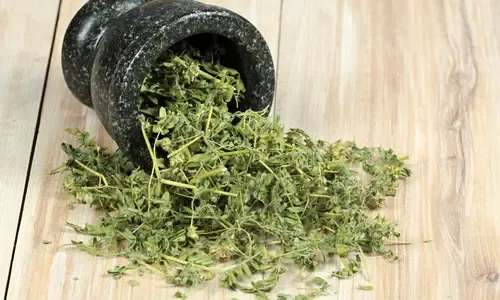
Epimedium & Tribulus Terrestris
Role: These herbs are often included for their general tonic effects and ability to support overall vitality. They may contribute to improved energy levels and a sense of well-being, which can indirectly help in coping with chronic conditions like tinnitus by boosting resilience and reducing fatigue.
Epimedium: 100-250mg, Tribulus: 100-200mg
L-Tyrosine & L-Arginine
Role: L-Tyrosine is an amino acid precursor to neurotransmitters like dopamine and norepinephrine, which can support cognitive function and mood, helping to manage the psychological impact of tinnitus. L-Arginine is a precursor to nitric oxide, which promotes vasodilation and improved blood flow, beneficial for inner ear circulation.
L-Tyrosine: 100-250mg, L-Arginine: 100-250mg
Mucuna Pruriens & Maca Root
Role: Mucuna Pruriens contains L-Dopa, a precursor to dopamine, known for its mood-enhancing and stress-reducing effects. Maca Root is an adaptogen that supports energy, stamina, and hormonal balance. Both ingredients contribute to overall vitality and stress resilience, which can be beneficial for those dealing with persistent tinnitus.
Mucuna: 50-150mg, Maca: 100-200mg
Muira Puama & Ginger
Role: Muira Puama is a traditional herb known for its nerve tonic properties and potential to reduce fatigue. Ginger is a powerful anti-inflammatory and antioxidant, which can help reduce inflammation throughout the body, including pathways related to auditory health, and improve circulation.
Muira Puama: 50-100mg, Ginger Root: 50-100mg
Sarsaparilla & Asparagus
Role: Sarsaparilla is often used for its cleansing and anti-inflammatory properties, supporting overall bodily health. Asparagus is a good source of vitamins and minerals, and its extract may contribute to cellular health and detoxification, indirectly supporting the delicate systems involved in hearing.
Sarsaparilla: 50-100mg, Asparagus: 50-100mg
Vitamins A, B, and Zinc
Role: These essential micronutrients are vital for numerous bodily functions, including nerve health and immune support. Vitamin A supports epithelial tissues, B vitamins are crucial for nerve function and energy metabolism, and Zinc is a powerful antioxidant and plays a role in inner ear health. Deficiencies in these can sometimes be linked to auditory issues.
Various dosages (RDA-based)
Take the First Step Towards Auditory Well-being with EchoXen
If you're ready to complement your healthy lifestyle with a natural formula designed to support hearing health and help reduce the perception of tinnitus, EchoXen offers a unique blend of ingredients. Crafted with care and backed by a commitment to quality, it's an investment in your peace of mind and auditory future.
- ✓ Supports healthy hearing function
- ✓ Helps reduce the perception of tinnitus
- ✓ Formulated with natural, potent ingredients
- ✓ Promotes nerve health and circulation to the inner ear
- ✓ Made in an FDA-registered, GMP-certified facility




Hear What Our Customers Are Saying
"I've tried so many things for my tinnitus, and while lifestyle changes helped, EchoXen really made a noticeable difference. The constant ringing isn't gone, but it's significantly quieter, and I feel much calmer. I can actually focus again!"
"My hearing felt dull, and the buzzing was driving me crazy. After a few weeks with EchoXen, along with my new diet and exercise routine, I feel like my ears are 'waking up.' The clarity is better, and the buzzing is less intrusive. Highly recommend trying it."
"I was skeptical at first, but the 60-day guarantee convinced me. I'm so glad I tried EchoXen. My stress levels are down, and surprisingly, so is the volume of my tinnitus. It's not a miracle, but it's a significant improvement to my daily life."
Frequently Asked Questions
What are the most common causes of tinnitus?
+Tinnitus often stems from prolonged exposure to loud noise, age-related hearing loss, earwax blockage, certain medications, Meniere's disease, and temporomandibular joint (TMJ) disorders. Less common causes can include head injuries, cardiovascular issues, and acoustic neuroma.
Can diet affect tinnitus symptoms?
+Yes, diet can play a significant role. High intake of salt, sugar, caffeine, and alcohol can sometimes exacerbate tinnitus symptoms for some individuals. Adopting a balanced diet rich in antioxidants, vitamins, and minerals, and staying hydrated, may help manage symptoms and support overall ear health.
How does stress contribute to tinnitus and what can I do?
+Stress doesn't cause tinnitus, but it can significantly worsen its perception and impact. The brain's heightened awareness during stress can make the ringing sound more noticeable and distressing. Stress management techniques like meditation, yoga, deep breathing exercises, and adequate sleep are crucial for reducing its influence.
Are there any natural supplements that can help with tinnitus or hearing loss?
+While no supplement is a universal cure, some natural ingredients are studied for their potential benefits in supporting ear health and reducing tinnitus symptoms. These include certain vitamins (like B vitamins), minerals (like zinc), and herbal extracts such as Ashwagandha, Ginkgo Biloba, and various adaptogens. Always consult a healthcare professional before starting any new supplement regimen.
When should I see a doctor for my tinnitus or hearing concerns?
+It's advisable to see an ENT specialist or audiologist if your tinnitus is persistent, severe, affects only one ear, is accompanied by sudden hearing loss, dizziness, or ear pain. Early diagnosis and intervention are key to managing symptoms and preventing further complications.
How important is noise protection for preventing hearing loss and tinnitus?
+Noise protection is paramount. Prolonged exposure to sounds above 85 decibels (e.g., loud concerts, power tools, firearms) can cause irreversible damage to the delicate hair cells in the inner ear, leading to both hearing loss and tinnitus. Using earplugs, earmuffs, or noise-canceling headphones in noisy environments is one of the most effective preventive measures you can take.
Related Articles You Might Find Helpful