Are you tired of the incessant ringing, buzzing, or hissing in your ears?
Tinnitus, a condition affecting millions worldwide, can range from a minor annoyance to a debilitating presence, severely impacting quality of life, sleep, and concentration. While conventional medicine offers various management strategies, many individuals are increasingly turning to natural remedies in search of relief.
But with so many options available, how do you distinguish between anecdotal claims and treatments backed by scientific inquiry? This comprehensive guide delves into the current research on natural remedies for tinnitus, exploring what the science truly says about their potential to alleviate symptoms and support overall auditory health.
Understanding Tinnitus: More Than Just Ringing Ears
Before exploring remedies, it's essential to grasp the multifaceted nature of tinnitus itself. It's not a disease, but rather a symptom, often signaling an underlying issue.
Tinnitus manifests as the perception of sound in one or both ears, or in the head, when no external sound is present. These phantom sounds can vary wildly in pitch and intensity, from a soft hum to a loud screech. For some, it's an occasional nuisance; for others, it's a constant, intrusive presence that can severely disrupt daily life. While the exact mechanisms are complex and not fully understood, it's believed to originate from changes in neural activity in the brain's auditory pathways. It's often associated with hearing loss, particularly age-related hearing decline, but can also stem from ear injuries, circulatory problems, Meniere's disease, TMJ disorders, and even certain medications. Understanding the distinction between tinnitus vs. hearing loss is crucial for effective management. Furthermore, the psychological impact of tinnitus cannot be overstated, often leading to increased stress, anxiety, and sleep disturbances, highlighting the interconnectedness of tinnitus and mental health.
Conventional treatments often focus on managing symptoms through sound therapy, cognitive behavioral therapy (CBT), or medications that address underlying conditions. However, a significant number of individuals find these approaches insufficient or prefer to explore more holistic, natural pathways. This growing interest has led to extensive research into botanicals, nutritional supplements, and lifestyle modifications as potential aids in mitigating tinnitus severity and improving overall well-being.
💡 Key Takeaway
Tinnitus is a symptom, not a disease, often linked to hearing loss or other health issues. While conventional treatments exist, many seek natural remedies for relief, prompting scientific investigation into their efficacy.
The Scientific Landscape of Natural Tinnitus Remedies
The world of natural remedies for tinnitus is vast, encompassing everything from herbal extracts to specific vitamins and minerals. Here, we examine some of the most researched and promising options, scrutinizing the scientific evidence behind them.
Herbal Extracts: Ancient Wisdom Meets Modern Science
Herbal medicine has been utilized for centuries to address various ailments, and tinnitus is no exception. Several botanicals have garnered attention for their potential neuroprotective, anti-inflammatory, or circulatory-enhancing properties.
- Ginkgo Biloba: Perhaps the most widely studied herbal remedy for tinnitus, Ginkgo Biloba is known for its ability to improve blood flow, particularly to the brain and inner ear. Some studies suggest it may reduce tinnitus intensity and annoyance, especially in cases where the condition is linked to vascular problems. However, results are mixed, with some trials showing significant benefits and others reporting no difference from placebo. Its antioxidant properties may also play a role in protecting auditory cells.
- Ashwagandha (Withania somnifera): An adaptogenic herb in Ayurvedic medicine, Ashwagandha is primarily known for its stress-reducing and neuroprotective effects. Given that stress is a major exacerbating factor for tinnitus, its ability to modulate the body's stress response could indirectly help alleviate symptoms. While direct studies on Ashwagandha for tinnitus are limited, its positive impact on anxiety and sleep quality is well-documented, which are crucial factors for tinnitus sufferers.
- Ginger (Zingiber officinale): Beyond its culinary uses, ginger possesses powerful anti-inflammatory and antioxidant properties. Inflammation can contribute to various health issues, including those affecting the auditory system. While not a direct tinnitus treatment, its general health benefits and potential to reduce inflammation could offer supportive relief, particularly if tinnitus is related to inflammatory processes.
- Catuaba Bark (Erythroxylum catuaba) & Damiana (Turnera diffusa): These herbs are often cited for their traditional use in enhancing vitality and nervous system health. Catuaba is believed to have neuroprotective qualities and may support cognitive function, while Damiana is traditionally used as a tonic for the nervous system and to reduce anxiety. While direct evidence for tinnitus relief is sparse, their overall impact on nervous system health and stress reduction could be beneficial for individuals dealing with the chronic stress of tinnitus.
- Muira Puama (Ptychopetalum olacoides): Known as "potency wood," Muira Puama is also used traditionally for nervous system support and stress relief. Its potential to improve mood and reduce anxiety could be a secondary benefit for tinnitus sufferers who often experience psychological distress.
Vitamins and Minerals: Essential Nutrients for Auditory Health
Deficiencies in certain vitamins and minerals have been linked to an increased risk or severity of tinnitus. Supplementing these essential nutrients may offer a foundational approach to supporting auditory health.
- Zinc: This trace mineral is vital for numerous bodily functions, including immune health and neurological processes. Studies have shown that some individuals with tinnitus have lower-than-normal zinc levels. Supplementation has been reported to improve tinnitus symptoms in a subset of patients, particularly those with zinc deficiency. Zinc is also an antioxidant, protecting delicate ear structures.
- Magnesium: Known for its role in nerve function and blood vessel relaxation, magnesium deficiency has been implicated in various neurological conditions. While direct evidence for tinnitus is limited, some research suggests magnesium supplementation could help by improving blood flow to the inner ear and protecting against noise-induced hearing loss.
- B Vitamins (especially B12): B vitamins are crucial for nerve health and cellular metabolism. Vitamin B12 deficiency, common in older adults, has been linked to tinnitus and hearing loss. Supplementation may be beneficial for individuals with diagnosed B12 deficiency, with some studies showing improvements in tinnitus symptoms. Other B vitamins, like B6 and B3 (Niacin), also play roles in nerve function and circulation.
- Vitamin A: Essential for vision and immune function, Vitamin A also plays a role in the health of mucous membranes, including those in the ear. While not a direct tinnitus remedy, maintaining adequate levels supports overall bodily functions.
Lifestyle and Dietary Interventions: A Holistic Approach
Beyond specific supplements, significant relief can often be found by adopting comprehensive lifestyle and dietary changes that address overall health and well-being, which in turn can influence tinnitus perception.
Stress Reduction Techniques
Stress and anxiety are well-known triggers and exacerbators of tinnitus. Practices such as meditation, yoga, deep breathing exercises, and mindfulness can significantly reduce stress levels, thereby lessening the perceived intensity and intrusiveness of tinnitus. Regular engagement in these activities helps to calm the nervous system and shift focus away from the phantom sounds.
Dietary Adjustments
Certain foods and substances can worsen tinnitus in susceptible individuals. Reducing intake of caffeine, alcohol, and high-sodium foods is often recommended. An anti-inflammatory diet, rich in fruits, vegetables, whole grains, and lean proteins, and low in processed foods and refined sugars, can support overall health and potentially reduce inflammation linked to some forms of tinnitus.
Regular Physical Activity
Exercise improves circulation, reduces stress, and enhances overall physical and mental health. Engaging in moderate physical activity most days of the week can contribute to better sleep and mood, both of which can positively impact tinnitus management. Improved blood flow to the head and neck area may also play a role in reducing symptoms for some.
Adequate Sleep Hygiene
Tinnitus can disrupt sleep, and lack of sleep can, in turn, make tinnitus seem worse. Establishing a consistent sleep schedule, creating a relaxing bedtime routine, and ensuring your bedroom is dark, quiet, and cool can significantly improve sleep quality. Using sound masking devices (like white noise generators) can also help to distract from tinnitus sounds at night.
Sound Therapy and Masking
While not a "natural remedy" in the botanical sense, sound therapy uses external sounds to make tinnitus less noticeable or to habituate the brain to its presence. This can include white noise, pink noise, nature sounds, or specialized tinnitus maskers. It's a non-invasive, drug-free approach that can provide immediate relief and long-term adaptation.
Hearing Protection
Exposure to loud noise is a leading cause and exacerbator of tinnitus. Protecting your ears in noisy environments—whether at concerts, construction sites, or even with loud headphones—is crucial for preventing further damage and managing existing tinnitus. Earplugs or noise-canceling headphones are simple yet effective tools.
The Role of Comprehensive Nutritional Support
For many individuals, the journey to tinnitus relief involves a multi-pronged approach. While individual herbs or vitamins can be beneficial, a comprehensive formula that combines several synergistic ingredients may offer more robust support for overall auditory health and nervous system function.
Synergistic Action
Many natural ingredients work better in combination than in isolation. For instance, an herb that improves circulation might be more effective when paired with another that reduces inflammation or supports nerve health. This synergistic effect can lead to more comprehensive benefits for tinnitus sufferers.
Targeted Support
A well-formulated supplement can target multiple potential pathways involved in tinnitus, such as oxidative stress, inflammation, poor circulation, and nervous system dysregulation. By addressing several factors simultaneously, it offers a more holistic approach to managing symptoms and promoting long-term auditory wellness.
Neuroprotection & Stress Reduction
Beyond direct auditory benefits, many natural compounds offer neuroprotective qualities and help the body adapt to stress. Given the strong link between stress, nervous system health, and tinnitus perception, supporting these areas can be crucial for reducing the burden of chronic ringing and buzzing.
Enhancing Quality of Life
Ultimately, the goal of any tinnitus remedy is to improve the patient's quality of life. By potentially reducing the intensity or intrusiveness of tinnitus, and by supporting better sleep, mood, and concentration, comprehensive natural support can empower individuals to regain control and find greater peace.
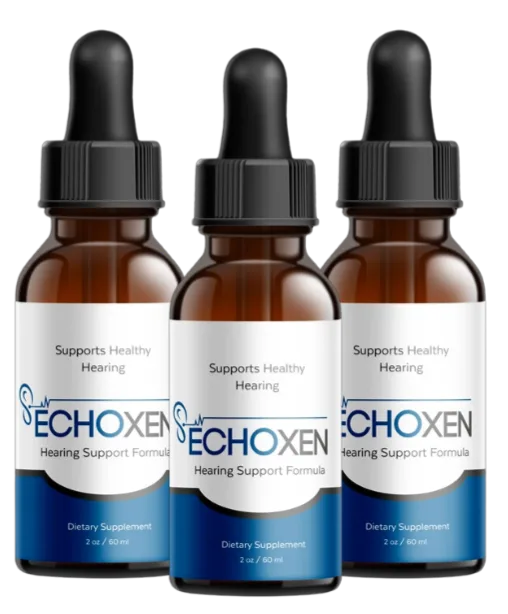
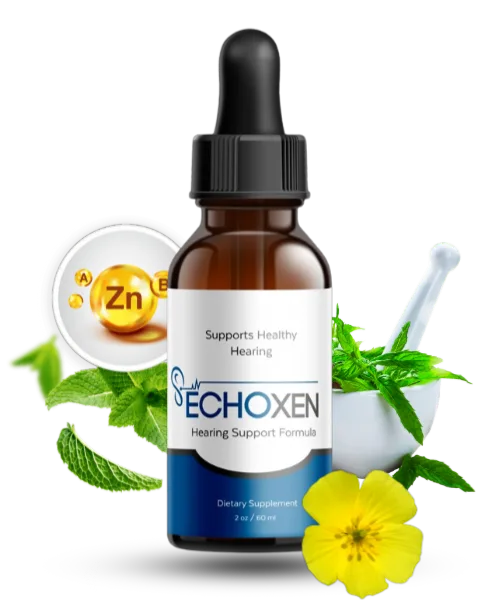
Key Ingredients in Advanced Auditory Support Formulas Like EchoXen
EchoXen is a prime example of a formula that brings together a blend of scientifically-backed natural ingredients, each selected for its potential role in supporting auditory health, cognitive function, and overall well-being.

Ashwagandha & Piperine
Role: Ashwagandha, an adaptogen, helps the body manage stress and anxiety, which are common tinnitus exacerbators. Piperine enhances the bioavailability of other ingredients, maximizing their absorption and efficacy.
Ashwagandha: 300-600mg, Piperine: 5-10mg
Catuaba & Damiana
Role: Traditionally used for nervous system support and vitality. Catuaba may offer neuroprotective benefits, while Damiana is known for its calming properties, potentially reducing the stress associated with tinnitus.
Catuaba: 100-200mg, Damiana: 50-100mg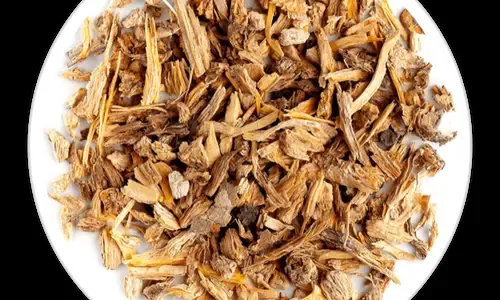
Dong Quai (Angelica Sinensis)
Role: Often used in traditional medicine to support circulation and hormonal balance. Improved blood flow to the inner ear and brain can be beneficial for certain types of tinnitus.
150-300mg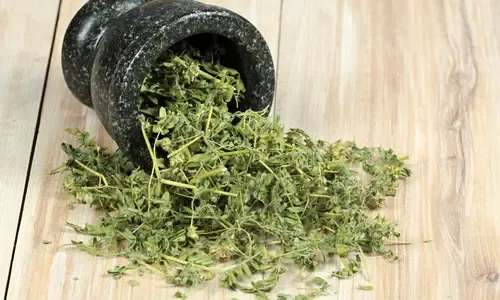
Epimedium & Tribulus Terrestris
Role: These herbs are often included for their adaptogenic properties and ability to support overall vitality and energy levels. By enhancing general well-being, they can indirectly help individuals cope with chronic conditions like tinnitus.
Epimedium: 100-200mg, Tribulus: 50-150mg
L-Tyrosine & L-Arginine
Role: L-Tyrosine is an amino acid precursor to neurotransmitters like dopamine and norepinephrine, supporting cognitive function and mood. L-Arginine is a precursor to nitric oxide, which helps relax blood vessels, potentially improving circulation to the auditory system.
L-Tyrosine: 100-250mg, L-Arginine: 100-250mg
Mucuna Pruriens & Maca Root
Role: Mucuna Pruriens contains L-Dopa, a precursor to dopamine, which can support mood and nervous system health. Maca Root is an adaptogen known for boosting energy, stamina, and balancing hormones, contributing to overall well-being.
Mucuna: 50-100mg, Maca: 100-200mg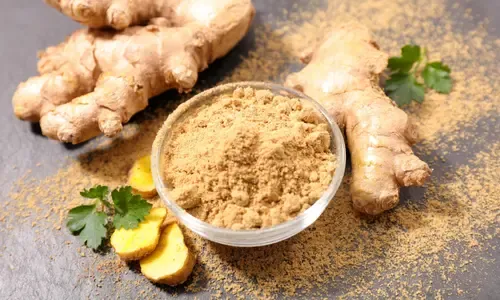
Muira Puama & Ginger
Role: Muira Puama supports nervous system health and can help reduce stress. Ginger is a potent anti-inflammatory and antioxidant, which can help protect delicate auditory structures and reduce inflammation.
Muira Puama: 50-100mg, Ginger: 50-100mg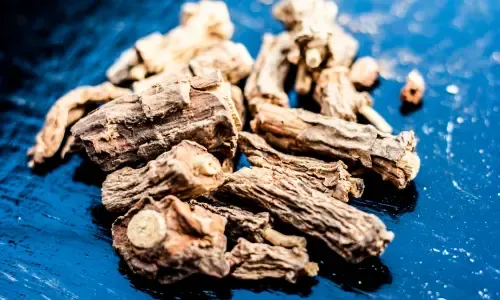
Sarsaparilla & Asparagus
Role: Sarsaparilla is traditionally used for its detoxifying and anti-inflammatory properties. Asparagus root is known for its antioxidant content and ability to support cellular health, contributing to a healthy internal environment.
Sarsaparilla: 50-100mg, Asparagus: 50-100mg
Vitamin A, B Vitamins & Zinc
Role: Essential micronutrients critical for auditory and neurological health. Zinc deficiency is linked to tinnitus, B vitamins support nerve function, and Vitamin A contributes to overall cellular integrity, including within the ear.
Zinc: 10-20mg, B-Complex: RDA, Vitamin A: 1000-2500 IU
Experience the EchoXen Difference: Holistic Support for Auditory Wellness
If you're seeking a natural and comprehensive approach to managing tinnitus and supporting your hearing health, EchoXen offers a meticulously formulated blend designed to work with your body's natural systems. Crafted with a powerful combination of vitamins, minerals, and potent herbal extracts, EchoXen aims to address multiple facets of auditory well-being.
- ✓ Supports healthy auditory nerve function
- ✓ Promotes improved blood flow to the inner ear
- ✓ Helps reduce stress and anxiety related to tinnitus
- ✓ Provides antioxidant protection for ear cells
- ✓ Made with 100% natural, scientifically-backed ingredients




What Our Customers Say About EchoXen
"I've tried so many things for my tinnitus, and honestly, EchoXen is the first natural supplement that has made a noticeable difference. The constant ringing used to drive me crazy, but now it's much softer, sometimes even gone for hours. I feel calmer and can actually focus again. Highly recommend!"
"After years of struggling with the buzzing in my ears, I was skeptical about another supplement. But EchoXen truly surprised me. My sleep has improved dramatically, and the overall intensity of my tinnitus has decreased. It's not a miracle cure, but it's given me a significant improvement in my daily life."
"I appreciate that EchoXen uses natural ingredients. I've been taking it for two months, and the results are encouraging. My concentration is better, and the feeling of dread associated with my tinnitus has lessened. It feels like my nervous system is finally getting some relief. Worth trying for anyone looking for natural support."
Frequently Asked Questions
What is tinnitus and how common is it?
+Tinnitus is the perception of sound when no external sound is present. It's often described as a ringing, buzzing, hissing, whistling, or clicking sound. It's incredibly common, affecting an estimated 15-20% of adults, with severity varying widely among individuals. While it's not a disease itself, it's a symptom of an underlying condition, such as age-related hearing loss, ear injury, or a circulatory system disorder.
Are natural remedies effective for all types of tinnitus?
+The effectiveness of natural remedies can vary greatly depending on the underlying cause and individual response. While some remedies, like certain herbal extracts or dietary changes, show promise in reducing symptom severity for some, they are not a universal cure. It's crucial to consult a healthcare professional to determine the best approach for your specific type of tinnitus and to rule out any serious underlying conditions.
What scientific evidence supports the use of herbal supplements for tinnitus?
+Research into herbal supplements for tinnitus is ongoing. Some studies suggest that ingredients like Ginkgo Biloba may improve blood flow to the brain and inner ear, potentially reducing tinnitus in some cases. Zinc and B vitamins have also been studied for their roles in auditory health and nerve function. However, evidence varies, and more large-scale, rigorous clinical trials are needed to establish definitive efficacy for many supplements.
Can diet and lifestyle changes help reduce tinnitus symptoms?
+Yes, diet and lifestyle modifications can play a significant supportive role. Reducing caffeine, alcohol, and high-sodium foods, which can exacerbate symptoms in some individuals, is often recommended. Stress management techniques like meditation and yoga, regular exercise, and ensuring adequate sleep are also vital, as stress and fatigue can intensify tinnitus perception.
How does EchoXen fit into a natural approach to tinnitus management?
+EchoXen is formulated with a blend of natural ingredients, including vitamins, minerals, and herbal extracts, that are traditionally and scientifically associated with supporting auditory health, cognitive function, and stress reduction. It aims to provide comprehensive support for the body's natural mechanisms that can influence tinnitus perception. It's designed to be a complementary part of a holistic approach that includes a healthy lifestyle and professional medical guidance.
What should I consider before trying natural remedies for tinnitus?
+Before starting any new natural remedy or supplement, it's essential to consult with your doctor or an ENT specialist. They can help identify the cause of your tinnitus, advise on potential interactions with existing medications, and ensure the chosen remedy is safe and appropriate for your health profile. Always follow recommended dosages and choose reputable brands.
Related Articles