Is NAC the Answer to Your Tinnitus and Hearing Loss Concerns?
Tinnitus and hearing loss are pervasive auditory challenges affecting millions worldwide, significantly impacting quality of life. In the quest for effective natural remedies, N-Acetyl Cysteine (NAC) has frequently emerged as a topic of interest. Known for its powerful antioxidant properties and its role as a precursor to glutathione, the body's 'master antioxidant,' NAC has been explored for its potential to protect the delicate structures of the inner ear.
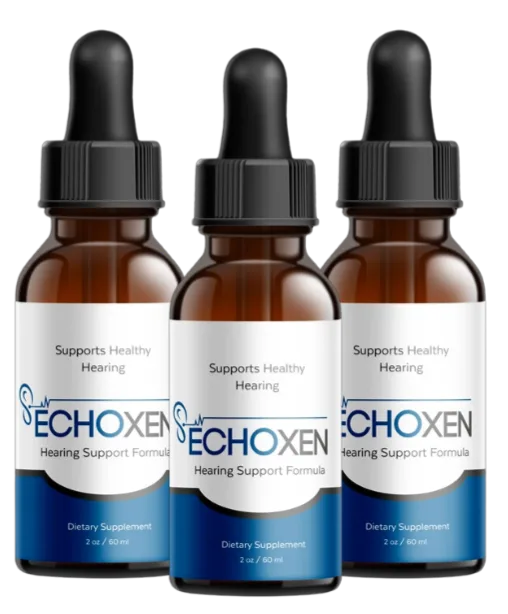
However, as we delve into the most current evidence, a clearer picture of NAC's true efficacy for chronic tinnitus and various forms of hearing loss begins to emerge. While some promising areas exist, particularly in acute noise-induced damage, relying solely on NAC may fall short for many individuals seeking comprehensive relief. This review will dissect the scientific literature, highlight NAC's strengths and limitations, and ultimately demonstrate why EchoXen offers a holistic, multi-ingredient approach that is proving to be a superior natural solution for profound auditory support.
Understanding N-Acetyl Cysteine (NAC): A Primer
Before evaluating its role in auditory health, it's crucial to grasp what NAC is and its fundamental biological functions. This amino acid derivative plays a vital role in several bodily processes, primarily through its connection to glutathione.
N-Acetyl Cysteine, or NAC, is a modified form of the amino acid cysteine. Its primary claim to fame is its ability to boost the body's production of glutathione, a powerful antioxidant naturally produced in our cells. Glutathione is often referred to as the "master antioxidant" because of its critical role in neutralizing harmful free radicals, detoxifying chemicals, and supporting immune function. By providing the body with the building blocks for glutathione, NAC helps bolster our natural defenses against oxidative stress.
Beyond its antioxidant prowess, NAC also acts as a mucolytic agent, meaning it can thin mucus, which is why it's sometimes used in respiratory conditions like bronchitis. It also has anti-inflammatory properties and can modulate various cellular pathways. In the context of the ear, these properties are particularly interesting, as both oxidative stress and inflammation are frequently implicated in the damage to the delicate hair cells and neural pathways responsible for hearing and the perception of sound.
Researchers have long hypothesized that if NAC can protect cells from oxidative damage in other parts of the body, it might offer similar protection to the cochlea, the spiral-shaped cavity of the inner ear responsible for hearing. This foundational understanding sets the stage for examining the specific evidence regarding NAC's impact on tinnitus and hearing loss, where such cellular protection could theoretically make a significant difference in preventing or mitigating auditory damage.
NAC for Tinnitus: What Does the Evidence Say?
The hope for NAC as a tinnitus treatment stems from its antioxidant and anti-inflammatory effects, assuming these mechanisms could quell the underlying pathology of the persistent ringing. However, the scientific journey has been complex and, for many, disappointing.
Tinnitus, the perception of sound in the absence of an external source, is a complex condition with numerous potential causes, including noise exposure, age-related hearing loss, head injuries, certain medications, and even stress. Given its multifactorial nature, a single-bullet solution is rarely effective. Early research, primarily in animal models, suggested that NAC could protect against noise-induced auditory damage, leading to optimism that it might also prevent or reduce associated tinnitus.
Several human clinical trials have investigated NAC for tinnitus, with mixed results. Some studies have shown a modest benefit, particularly in cases of **acute noise-induced tinnitus** when NAC is administered shortly after exposure. For instance, military personnel exposed to blast noise or individuals attending loud concerts might find some protective or mitigating effects if NAC is taken promptly. This suggests a role in preventing initial damage rather than reversing established conditions.
However, for individuals suffering from **chronic, idiopathic tinnitus** (where the cause is unknown or long-standing), the evidence for NAC's effectiveness is far less convincing. Many placebo-controlled trials have failed to demonstrate a statistically significant reduction in tinnitus loudness or annoyance compared to placebo. A comprehensive review of multiple studies often concludes that while NAC is generally safe, its efficacy as a standalone treatment for chronic tinnitus remains largely unproven. This disparity highlights the difference between preventing acute damage and treating a complex, ongoing neurological phenomenon.
The challenges in studying tinnitus also contribute to these mixed results. Tinnitus is subjective, and its perception can be influenced by psychological factors, making objective measurement difficult. Furthermore, the diverse etiologies of tinnitus mean that a treatment effective for one type might be useless for another. This underscores the need for a more comprehensive and multifaceted approach that addresses various potential contributors to tinnitus, rather than relying on a single mechanism like antioxidant support.
💡 Key Takeaway
While NAC shows some promise in preventing acute noise-induced hearing damage and potentially related tinnitus, its efficacy for chronic, pre-existing tinnitus is largely unproven and often inferior to comprehensive, multi-ingredient formulations.
NAC and Hearing Loss: A Closer Look at the Research
Beyond tinnitus, NAC has also been investigated for its potential to prevent or mitigate various forms of hearing loss. Here, the evidence presents a slightly more encouraging, though still nuanced, picture.
Hearing loss is a broad term encompassing many types, from age-related presbycusis to sudden sensorineural hearing loss, and damage caused by noise or ototoxic drugs. The inner ear, particularly the cochlea's delicate hair cells, is highly susceptible to damage from oxidative stress and inflammation, common pathways in many forms of hearing impairment. NAC, with its potent antioxidant capabilities, theoretically offers a protective shield against these damaging processes.
Noise-Induced Hearing Loss (NIHL)
One of the most promising areas for NAC is in the prevention of **Noise-Induced Hearing Loss (NIHL)**. Numerous animal studies have consistently shown that NAC administration before or shortly after intense noise exposure can significantly reduce permanent threshold shifts and hair cell damage. In humans, studies among military personnel or industrial workers exposed to high noise levels have indicated that NAC may offer a protective effect, reducing the degree of hearing loss when administered preventatively or immediately post-exposure. This suggests a valuable role in occupational health and for individuals in high-risk environments, highlighting its potential as a prophylactic agent.
Ototoxicity and Drug-Induced Hearing Loss
Another area where NAC shows potential is in mitigating **ototoxicity**, which is hearing damage caused by certain medications, such as chemotherapy drugs (e.g., cisplatin) or some antibiotics (e.g., aminoglycosides). These drugs can generate excessive free radicals in the cochlea, leading to hair cell death. Several studies have explored NAC's ability to act as a cytoprotectant, shielding these cells from drug-induced damage. While research is ongoing, some clinical trials have shown that co-administering NAC with ototoxic drugs can help preserve hearing without compromising the efficacy of the primary treatment, offering a glimmer of hope for patients undergoing life-saving therapies that carry a risk of hearing impairment.
Age-Related Hearing Loss (Presbycusis) and Other Forms
For **age-related hearing loss (presbycusis)**, which is a gradual decline in hearing due to the natural aging process and cumulative oxidative damage over decades, NAC's role is less clear. While its antioxidant properties might theoretically slow down the progression, long-term, large-scale human trials specifically demonstrating significant improvement or prevention of presbycusis with NAC supplementation are still lacking. Similarly, for other complex forms of hearing loss, such as sudden sensorineural hearing loss (SSNHL) or autoimmune inner ear disease, NAC is not typically considered a primary treatment, though it may be explored as an adjunctive therapy in some research settings.
In summary, while NAC has a stronger evidence base for preventing acute forms of hearing damage, particularly NIHL and ototoxicity, its broader application as a standalone treatment for chronic or age-related hearing loss remains limited. This necessitates a broader approach, acknowledging that multiple biological pathways contribute to auditory decline, which a single antioxidant may not fully address.
Why NAC Alone May Not Be Enough for Comprehensive Auditory Health
While NAC's antioxidant properties are beneficial, the complexity of tinnitus and hearing loss often demands more than a single-pronged defense. Relying solely on NAC overlooks many other critical factors.
Limited Scope of Action
NAC primarily functions as an antioxidant and glutathione precursor. While crucial, oxidative stress is just one piece of the puzzle. Tinnitus and hearing loss often involve inflammation, impaired blood flow, neural dysfunction, neurotransmitter imbalances, and even psychological factors. NAC alone cannot effectively address this multi-faceted pathology.
Poor Bioavailability Challenges
N-Acetyl Cysteine can have variable bioavailability when taken orally, meaning not all of the ingested substance reaches the target tissues in an active form. This can limit its therapeutic impact, especially in delicate areas like the inner ear, where optimal concentration is required for protective effects.
Inconsistent Clinical Evidence for Chronic Conditions
As discussed, the evidence for NAC's effectiveness in chronic tinnitus and established hearing loss is often inconsistent or inconclusive. Many studies fail to show significant improvements over placebo, suggesting that for long-standing auditory issues, a more robust and diverse intervention is necessary.
Ignores Circulatory and Neurological Support
Optimal auditory function relies heavily on robust blood flow to the inner ear and healthy neurological pathways. NAC does not directly enhance microcirculation or provide comprehensive neuroprotection in the way that a blend of specific vasodilators or nerve-supporting nutrients can. These aspects are crucial for long-term ear health.
Lack of Adaptogenic and Stress-Reducing Effects
Stress and anxiety are known to exacerbate tinnitus symptoms. While NAC has some mood-modulating effects, it doesn't offer the broad adaptogenic and calming properties found in certain herbal ingredients that can directly help manage the psychological impact of living with tinnitus. Addressing mental health aspects is critical for holistic relief, as explored in our article on tinnitus and mental health.
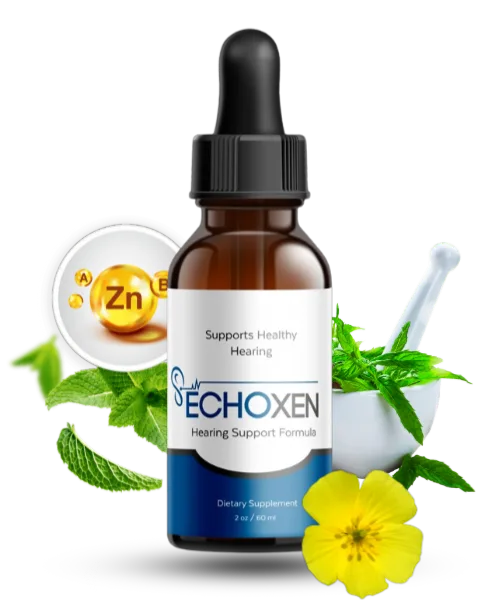
Introducing EchoXen: A Superior, Multi-Ingredient Approach to Auditory Wellness
Recognizing the limitations of single-ingredient solutions like NAC, EchoXen was meticulously formulated to provide a comprehensive, multi-targeted approach to supporting hearing health and alleviating tinnitus. It moves beyond basic antioxidant support to address the full spectrum of factors contributing to auditory decline.
EchoXen is not just another supplement; it's a carefully crafted blend of natural ingredients, each selected for its scientifically-backed ability to contribute to auditory wellness. Our formulation acknowledges that tinnitus and hearing loss are complex conditions requiring a synergistic approach, rather than relying on the isolated effects of one compound. This is where EchoXen truly distinguishes itself from single-ingredient options like N-Acetyl Cysteine.
While NAC offers a valuable antioxidant contribution, EchoXen integrates a broader array of mechanisms to support the entire auditory system. It aims to:
- Enhance Blood Flow: Crucial for delivering oxygen and nutrients to the delicate inner ear structures.
- Provide Neuroprotection: Shielding auditory nerves and brain pathways from damage.
- Reduce Inflammation: A key driver of cellular damage in the cochlea.
- Balance Neurotransmitters: Addressing the neurological components of tinnitus perception.
- Support Cellular Regeneration: Promoting the health and longevity of inner ear cells.
- Alleviate Stress and Anxiety: Directly impacting the perceived severity of tinnitus.
By combining ingredients that work synergistically across these various pathways, EchoXen offers a robust defense against the multiple factors that contribute to hearing loss and tinnitus. This holistic strategy is designed to provide more profound and lasting relief than any single supplement can achieve. For a deeper dive into the mechanics of natural relief, you might find our article on how to stop tinnitus naturally particularly insightful, as it aligns with EchoXen's comprehensive philosophy.
The EchoXen Advantage: Why Multi-Ingredient Formulas Win
Synergistic Action
Individual ingredients in EchoXen don't just work alone; they enhance each other's effects. This synergy means the combined impact is far greater than the sum of its parts, addressing multiple pathways simultaneously for superior results.
Comprehensive Support
Unlike single-target supplements, EchoXen provides holistic support for the entire auditory system. It tackles not just oxidative stress but also inflammation, poor circulation, nerve damage, and neurotransmitter imbalances, which are all critical for optimal hearing.
Targeted Mechanisms
Each ingredient in EchoXen is chosen for its specific, scientifically-backed role in auditory health. From potent antioxidants to natural vasodilators and nerve-regenerating compounds, the formula is precisely engineered for maximum efficacy.
Sustainable & Natural Relief
EchoXen leverages the power of nature to offer a safe and sustainable path to improved hearing and reduced tinnitus. Free from harsh chemicals and artificial additives, it supports your body's natural healing processes for long-term wellness.
Key Ingredients in EchoXen and Their Auditory Benefits
EchoXen's power lies in its unique blend of premium natural ingredients, each playing a vital role in supporting and restoring auditory health. Below, we highlight just a few of these potent compounds.
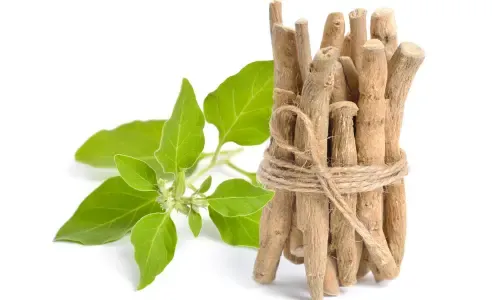
Ashwagandha & Piperine
Role: Ashwagandha is an adaptogen, reducing stress and anxiety, which often exacerbate tinnitus. Piperine enhances the bioavailability of other ingredients, ensuring maximum absorption and effectiveness.
Ashwagandha: 200-300mg, Piperine: 5-10mg
Catuaba & Damiana
Role: These herbs are traditionally known for their neuroprotective and circulatory benefits. They help improve blood flow to the brain and inner ear, crucial for nutrient delivery and waste removal, thus supporting overall auditory function.
Catuaba: 100-200mg, Damiana: 50-100mg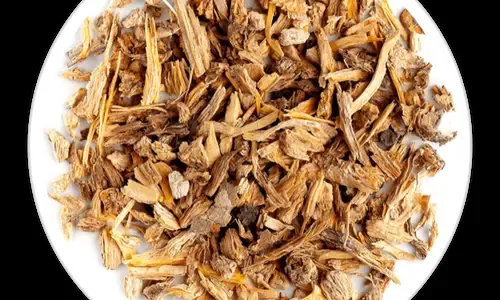
Dong Quai
Role: Often called "female ginseng," Dong Quai is recognized for its ability to improve circulation and reduce inflammation. Better blood flow to the inner ear helps nourish hair cells and nerve endings, which can be vital for reducing tinnitus and improving hearing clarity.
Dong Quai: 150-250mg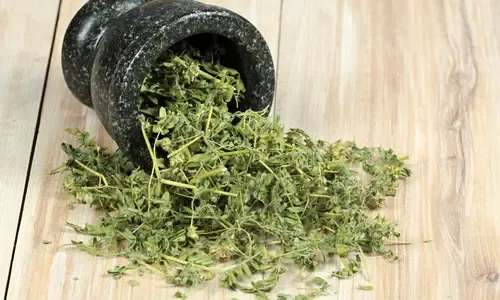
Epimedium & Tribulus Terrestris
Role: These compounds are known for their adaptogenic properties and ability to support neurological health. They can help protect nerve cells and potentially improve nerve signal transmission, which is critical for processing sound and reducing auditory phantom sensations like tinnitus.
Epimedium: 100-200mg, Tribulus: 50-100mg
L-Tyrosine & L-Arginine
Role: L-Tyrosine is a precursor to neurotransmitters that influence mood and cognitive function, which can be beneficial for managing tinnitus-related stress. L-Arginine is a precursor to nitric oxide, a vasodilator that enhances blood flow, directly benefiting inner ear circulation and nutrient supply.
L-Tyrosine: 100-200mg, L-Arginine: 50-150mg
Mucuna Pruriens & Maca Root
Role: Mucuna Pruriens contains L-Dopa, a precursor to dopamine, which plays a role in auditory processing and mood regulation. Maca Root is an adaptogen that helps balance hormones and energy, contributing to overall well-being and resilience against stress-induced tinnitus exacerbation.
Mucuna: 50-100mg, Maca: 100-200mg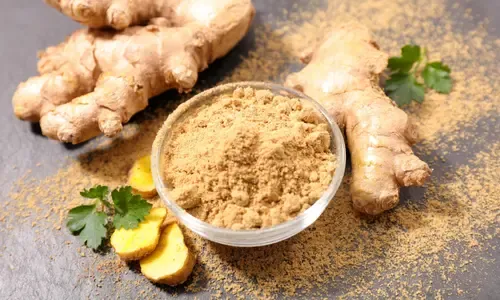
Muira Puama & Ginger
Role: Muira Puama supports nerve health and cognitive function, which can indirectly aid auditory processing. Ginger is a potent anti-inflammatory and antioxidant, helping to reduce inflammation in the auditory pathways and protect against cellular damage.
Muira Puama: 50-100mg, Ginger: 50-100mg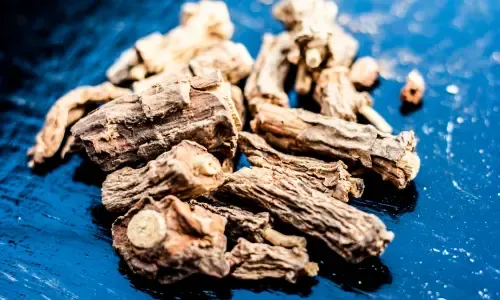
Sarsaparilla & Asparagus
Role: Sarsaparilla is known for its anti-inflammatory and detoxifying properties, helping to cleanse the body and reduce systemic inflammation that could impact auditory health. Asparagus supports cellular health and provides essential nutrients, contributing to robust inner ear function.
Sarsaparilla: 50-100mg, Asparagus: 50-100mg
Vitamins A, B Complex & Zinc
Role: This powerful trio is essential for nerve function, cellular repair, and immune support. Vitamin A protects inner ear cells, B vitamins are crucial for nerve health and energy, and Zinc has been shown to improve tinnitus symptoms in some individuals and support overall hearing function.
Varies by specific vitamin/mineral
Unlock the Power of Nature for Your Hearing with EchoXen
Don't settle for partial solutions. EchoXen offers a scientifically-backed blend of natural ingredients designed to target the root causes of tinnitus and hearing loss. Experience the difference a comprehensive, holistic approach can make for your auditory health and overall well-being.
- ✓ Advanced Multi-Ingredient Formula for Superior Results
- ✓ Supports Healthy Blood Flow to the Inner Ear
- ✓ Provides Potent Neuroprotection and Reduces Inflammation
- ✓ Alleviates Tinnitus Symptoms and Enhances Hearing Clarity
- ✓ 100% Natural, Non-GMO, and Manufactured in the USA




Hear What Our Customers Are Saying About EchoXen
"I've tried so many things for my constant ringing, including NAC, with no real change. EchoXen has been a game-changer. The buzzing is significantly quieter, and I feel like I can focus again. My hearing also feels sharper!"
"My audiologist recommended I look into natural supplements, and I found EchoXen. The combination of ingredients seems to work wonders. My hearing has improved, and the constant stress from tinnitus has reduced. Highly recommend it over single supplements."
"I was skeptical, but my husband insisted I try EchoXen after seeing little results from NAC. After a few weeks, the difference was noticeable. The noise in my ears is much less intrusive, and I'm sleeping better. It truly feels like a holistic solution."
Frequently Asked Questions
What is N-Acetyl Cysteine (NAC) and how does it relate to auditory health?
+N-Acetyl Cysteine (NAC) is a powerful antioxidant and a precursor to glutathione, the body's master antioxidant. In the context of auditory health, NAC is studied for its potential to protect against oxidative stress and inflammation in the delicate structures of the inner ear, which are often implicated in the development of tinnitus and certain types of hearing loss. It's thought to neutralize free radicals that can damage hair cells and nerve pathways.
Does NAC really help with tinnitus symptoms?
+While NAC has shown promise in some animal studies and small human trials, particularly for acute noise-induced tinnitus, the evidence for its effectiveness in chronic, idiopathic tinnitus (tinnitus without a clear cause) is largely inconclusive or mixed. Many studies report no significant benefit over placebo. It's often not a standalone solution for long-term tinnitus relief, and more comprehensive approaches are typically needed.
Can NAC prevent or improve hearing loss?
+NAC has demonstrated more consistent potential in preventing or mitigating certain types of hearing loss, especially noise-induced hearing loss (NIHL) and ototoxicity (hearing damage from certain medications like chemotherapy or antibiotics). Its antioxidant properties can protect cochlear hair cells from damage. However, for age-related hearing loss or other forms of progressive hearing loss, NAC's efficacy as a sole treatment is limited, and it's generally considered a supportive agent rather than a primary cure.
What are the potential side effects of NAC supplementation?
+NAC is generally well-tolerated, but some individuals may experience side effects such as nausea, vomiting, diarrhea, constipation, and stomach upset. Less common side effects can include skin rash or headache. It's important to consult with a healthcare professional before starting NAC, especially if you have a bleeding disorder, are pregnant or breastfeeding, or are taking other medications, as it can interact with certain drugs.
How does EchoXen compare to a single-ingredient supplement like NAC for hearing health?
+EchoXen stands apart from single-ingredient supplements like NAC by offering a comprehensive, multi-modal approach to auditory health. While NAC targets oxidative stress, EchoXen combines a synergistic blend of natural ingredients that not only address antioxidant support but also enhance blood circulation to the inner ear, reduce inflammation, support nerve function, and promote overall neurological health. This holistic strategy aims to tackle the multifaceted causes of tinnitus and hearing loss more effectively than a single ingredient could.
Is EchoXen safe and natural for daily use?
+Yes, EchoXen is formulated with 100% natural ingredients, carefully selected for their purity and efficacy. It is manufactured in an FDA-registered and GMP-certified facility in the USA, ensuring high quality and safety standards. While generally safe for daily use, it's always recommended to consult with your physician before starting any new supplement regimen, especially if you have pre-existing medical conditions or are on other medications.
Related Articles