Can Ginkgo Biloba Truly Silence the Ringing in Your Ears?
Tinnitus, the perception of sound in the absence of an external source, affects millions worldwide. This phantom noise, often described as ringing, buzzing, hissing, or clicking, can range from a mild annoyance to a debilitating condition that severely impacts quality of life, sleep, and concentration.
In the quest for relief, many individuals turn to natural remedies, with Ginkgo Biloba often emerging as a frontrunner. Touted for its potential to improve circulation and brain function, it's a popular choice for those seeking an alternative solution. But does this ancient herb live up to its reputation for alleviating tinnitus? This article delves into what scientific research truly says about Ginkgo Biloba's effectiveness for tinnitus, offering a balanced perspective on its potential benefits and limitations, alongside other strategies for managing this challenging condition.
Understanding Tinnitus: More Than Just a Ringing
Before we explore specific remedies, it's crucial to grasp the multifaceted nature of tinnitus itself. It's not a disease, but rather a symptom of an underlying health condition, often related to the auditory system.
Tinnitus manifests as a perception of sound in one or both ears, or even in the head, without any external source. This phantom sound can vary greatly in pitch and intensity. For some, it's a mild, occasional annoyance, while for others, it's a constant, intrusive presence that significantly impacts daily life. It's often associated with hearing loss, exposure to loud noise, ear wax blockage, Meniere's disease, temporomandibular joint (TMJ) disorders, head or neck injuries, and even certain medications. The exact mechanisms are complex, often involving changes in the brain's auditory processing centers. The brain attempts to "fill in" missing auditory input, sometimes by generating these phantom sounds. This complexity is why finding a single, universal cure remains elusive, leading many to explore a variety of management strategies, including herbal supplements like Ginkgo Biloba.
Ginkgo Biloba: An Ancient Herb for Modern Ailments?
Ginkgo Biloba, derived from the leaves of the ancient Ginkgo tree, has been a staple in traditional Chinese medicine for thousands of years. It's revered for its purported ability to enhance cognitive function, improve circulation, and act as a powerful antioxidant.
The active compounds in Ginkgo Biloba are primarily flavonoids and terpenoids (ginkgolides and bilobalide). These components are believed to be responsible for the herb's therapeutic effects. Flavonoids are potent antioxidants that protect cells from damage by free radicals, while terpenoids are thought to improve blood flow by dilating blood vessels and reducing blood viscosity. These properties have made Ginkgo Biloba a popular supplement for a range of conditions, including memory impairment, anxiety, and peripheral artery disease. Given its historical use and perceived benefits for circulation and brain health, it's understandable why it became a natural candidate for exploring its potential role in managing tinnitus, particularly when the condition is thought to have a vascular or neurological component. The idea is that by improving blood flow to the inner ear and brain, or by protecting delicate neural structures from oxidative stress, Ginkgo might alleviate the symptoms of tinnitus.
💡 Key Takeaway
Ginkgo Biloba is a popular herbal remedy, traditionally used for circulation and brain health due to its antioxidant and vasodilatory properties. Its potential for tinnitus relief stems from the theory that improved blood flow and neuroprotection could mitigate symptoms, especially in cases linked to vascular or neurological issues.
The Science Speaks: Does Ginkgo Biloba Really Work for Tinnitus?
Despite its popularity, the scientific consensus on Ginkgo Biloba's effectiveness for tinnitus is, unfortunately, mixed and often contradictory. Here's a breakdown of what research has shown:
Early Promise and Positive Findings: Some initial studies and anecdotal reports suggested that Ginkgo Biloba, particularly standardized extracts like EGb 761, could reduce the intensity or annoyance of tinnitus for some individuals. These studies often pointed to its ability to improve blood flow to the inner ear and brain, or its neuroprotective effects, as the primary mechanisms of action. Positive outcomes were more frequently observed in cases of recent-onset tinnitus or those believed to have a vascular origin. For example, a few small trials indicated that high doses of Ginkgo extract might be beneficial, especially for patients with accompanying hearing loss or vertigo. These findings fueled optimism and led to its widespread use as an alternative therapy.
Mixed Results and Methodological Challenges: As more rigorous studies were conducted, the picture became less clear. Many systematic reviews and meta-analyses have highlighted significant methodological flaws in earlier research, such as small sample sizes, lack of proper control groups, and heterogeneity in study designs and patient populations. These reviews often conclude that while some studies report positive effects, the overall evidence is insufficient or inconsistent to recommend Ginkgo Biloba as a reliable treatment for tinnitus. The variability in tinnitus causes and manifestations makes it challenging to pinpoint a single remedy that works for everyone, and this complexity is reflected in the research outcomes.
Inconclusive and Negative Findings: A substantial body of evidence, including several large, well-designed randomized controlled trials, has found no significant difference between Ginkgo Biloba and a placebo in reducing tinnitus symptoms. These studies often conclude that any perceived benefits are likely due to the placebo effect. For instance, a comprehensive review by the Cochrane Library, a highly respected source for evidence-based medicine, stated that "there is no evidence that Ginkgo Biloba is effective for tinnitus." This lack of robust, consistent evidence means that while some individuals may genuinely feel better after taking Ginkgo, it's difficult for the medical community to definitively endorse it as an effective treatment. It's important for individuals considering Ginkgo Biloba to have realistic expectations and to understand that it is not a guaranteed cure for tinnitus.
In summary, while Ginkgo Biloba possesses properties that theoretically could benefit tinnitus (improved circulation, antioxidant action), the current scientific literature does not provide strong, consistent support for its widespread efficacy. For many, the search for relief continues beyond a single herb, leading to a more holistic approach to managing the condition.
Dosage, Side Effects, and Important Precautions
If you're considering trying Ginkgo Biloba for tinnitus, it's essential to be aware of recommended dosages, potential side effects, and crucial interactions with other medications.
Recommended Dosage: Most studies that reported any positive effects utilized standardized Ginkgo Biloba extracts, primarily EGb 761, at dosages typically ranging from 120 mg to 240 mg per day, usually divided into two or three doses. It's vital to choose a high-quality product that specifies its standardization to 24-27% flavone glycosides and 6% terpene lactones, as this is the extract form used in clinical research. Lower quality or unstandardized products may not contain sufficient active compounds to be effective.
Potential Side Effects: Ginkgo Biloba is generally considered safe for most healthy adults when taken at recommended doses. However, some individuals may experience mild side effects, including:
- Headache
- Dizziness
- Gastrointestinal upset (nausea, diarrhea)
- Allergic skin reactions (rash, itching)
Important Drug Interactions and Precautions: This is perhaps the most critical aspect of Ginkgo Biloba use. Due to its potential to affect blood clotting, Ginkgo can interact dangerously with certain medications:
- Anticoagulants and Antiplatelets: Medications like warfarin (Coumadin), aspirin, clopidogrel (Plavix), and ibuprofen can have their blood-thinning effects amplified by Ginkgo, significantly increasing the risk of bleeding or bruising.
- Antidepressants: Specifically, selective serotonin reuptake inhibitors (SSRIs) like fluoxetine (Prozac) or sertraline (Zoloft) may interact with Ginkgo, potentially leading to serotonin syndrome in rare cases.
- Seizure Threshold Lowering Medications: Ginkgo may lower the seizure threshold, so individuals with epilepsy or those taking anticonvulsants should avoid it.
- Diabetes Medications: Ginkgo may affect blood sugar levels, requiring careful monitoring for individuals with diabetes.
Beyond Ginkgo: A Holistic Approach to Tinnitus Management
Given the mixed scientific evidence for Ginkgo Biloba, many individuals with tinnitus find greater relief through a multi-faceted, holistic approach that addresses various contributing factors.
Stress Reduction & Mental Well-being
Stress and anxiety are known to exacerbate tinnitus symptoms. Techniques like meditation, mindfulness, yoga, and deep breathing exercises can significantly help in managing the perception and distress associated with tinnitus. Cognitive Behavioral Therapy (CBT) is also highly effective in helping individuals cope with the psychological impact of constant ringing.
Sound Therapy & Masking
Introducing external sounds can help distract the brain from focusing on the tinnitus. White noise generators, nature sounds, specific tinnitus masking devices, or even soft background music can provide relief. Tinnitus Retraining Therapy (TRT) combines sound therapy with counseling to help the brain habituate to the tinnitus sound, making it less noticeable over time.
Dietary & Lifestyle Adjustments
Certain dietary habits can worsen tinnitus for some people. Reducing intake of caffeine, alcohol, and high-sodium foods is often recommended. Maintaining a healthy, balanced diet rich in antioxidants and anti-inflammatory foods can support overall ear and brain health. Regular physical activity also improves circulation and reduces stress, potentially aiding in tinnitus management.
Addressing Underlying Conditions
Since tinnitus is a symptom, treating the root cause is paramount. This could involve managing blood pressure, addressing temporomandibular joint (TMJ) disorders, treating ear infections, or removing earwax blockages. If hearing loss is present, hearing aids can often alleviate tinnitus by amplifying external sounds, making the internal noise less prominent. For more information on natural ways to support your hearing, you can explore how to improve hearing support naturally.
Targeted Nutritional Support
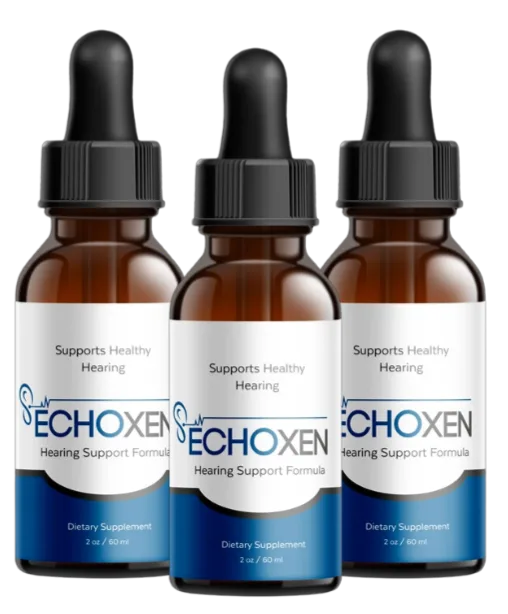
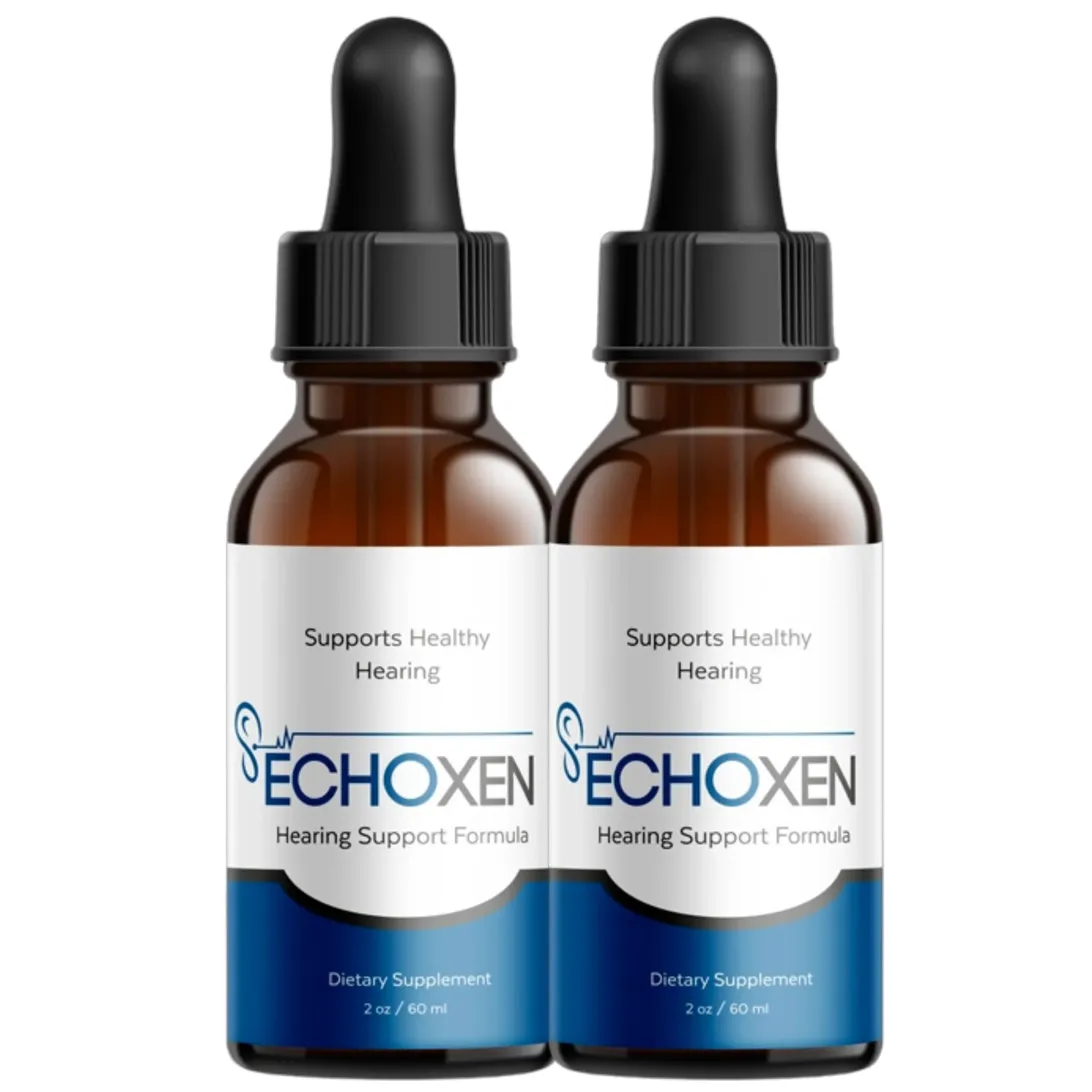
While Ginkgo Biloba's evidence is mixed, other supplements are being explored for their potential role in supporting auditory health and reducing tinnitus symptoms. These include magnesium, zinc, and various B vitamins, which are crucial for nerve function and protecting against oxidative stress in the auditory system. Some multi-ingredient formulas, like EchoXen, combine several such beneficial compounds to offer comprehensive support for brain and nerve health, which can indirectly benefit the auditory system. To learn more about specific ingredients, you might find our article on EchoXen ingredients including Ginkgo Biloba, Magnesium, and B12 informative.
Understanding Tinnitus: Key Aspects
Subjective vs. Objective Tinnitus
Most cases are subjective tinnitus, meaning only the individual can hear the sound. Objective tinnitus, which is rare, can be heard by a doctor during an examination and is often linked to vascular issues or muscle spasms.
Connection to Hearing Loss
A significant percentage of tinnitus sufferers also experience some degree of hearing loss. The brain's attempt to compensate for missing auditory input is thought to be a primary mechanism for the generation of phantom sounds.
Brain Activity & Neural Networks
Tinnitus is increasingly understood as a neurological phenomenon, involving abnormal activity in specific neural networks within the brain. This explains why it can be so persistent and challenging to treat.
Impact on Quality of Life
Beyond the sound itself, tinnitus can severely affect sleep, concentration, mood, and overall quality of life, leading to anxiety, depression, and social withdrawal in severe cases.
Introducing EchoXen: A Natural Approach to Auditory & Brain Health Support
While Ginkgo Biloba offers some theoretical benefits, many individuals seek a more comprehensive approach to supporting their auditory and brain health. EchoXen is formulated with a blend of natural ingredients designed to address various aspects of neurological function and well-being, which can indirectly contribute to managing tinnitus symptoms and improving overall quality of life.

Ashwagandha & Piperine
Role: Ashwagandha is an adaptogen known for stress reduction and neuroprotection, which can help mitigate the psychological impact of tinnitus. Piperine enhances the bioavailability of other ingredients, ensuring maximum absorption and efficacy.
Ashwagandha 300-500mg, Piperine 5mg
Vitamins A, B & Zinc
Role: B vitamins (especially B12) are crucial for nerve health and myelin sheath formation, supporting auditory nerve function. Zinc is an essential mineral for inner ear health and immune function. Vitamin A supports cellular health.
Varies by specific vitamin
L-Tyrosine & L-Arginine
Role: L-Tyrosine is a precursor to neurotransmitters like dopamine and norepinephrine, supporting cognitive function and stress response. L-Arginine is involved in nitric oxide production, which can aid circulation, potentially benefiting inner ear blood flow.
L-Tyrosine 100-200mg, L-Arginine 50-150mg
Mucuna Pruriens & Maca Root
Role: Mucuna Pruriens contains L-Dopa, a precursor to dopamine, supporting mood and neurological health. Maca Root is an adaptogen that can enhance energy, stamina, and overall well-being, contributing to better coping mechanisms against tinnitus distress.
Mucuna 100-200mg, Maca 200-300mg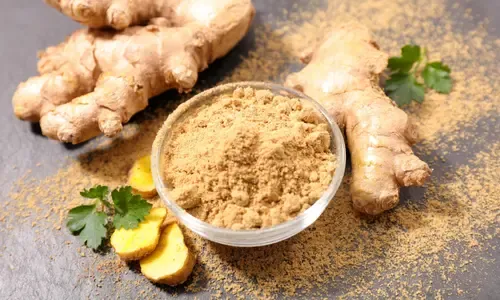
Muira Puama & Ginger
Role: Muira Puama is known for its nerve tonic properties and support for cognitive function. Ginger is a potent anti-inflammatory and antioxidant, which can help reduce inflammation and protect against cellular damage in the auditory system.
Muira Puama 50-100mg, Ginger 50-100mg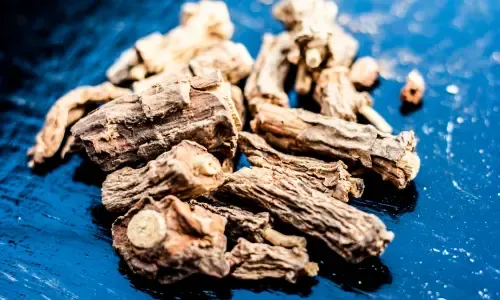
Sarsaparilla & Asparagus
Role: Sarsaparilla has traditional uses for detoxification and reducing inflammation. Asparagus is rich in nutrients and antioxidants, supporting overall cellular health and potentially contributing to a healthier environment for auditory function.
Sarsaparilla 50-100mg, Asparagus 50-100mgEchoXen offers a synergistic blend, providing a foundation for neurological and circulatory health that can be beneficial for those seeking comprehensive support beyond single-ingredient remedies. For more insights into finding effective solutions, consider reading our guide on the best hearing support supplement.
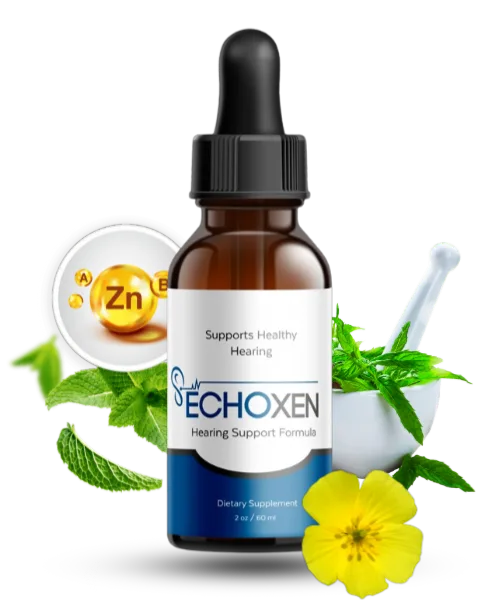
Experience the EchoXen Difference: Support Your Auditory & Brain Health Naturally
If you're among the millions seeking relief from tinnitus and looking for a natural way to support your brain and auditory system, EchoXen offers a carefully formulated blend of ingredients. Designed to promote cognitive clarity, enhance nerve function, and reduce oxidative stress, EchoXen provides holistic support for your well-being.
- ✓ Supports healthy auditory function
- ✓ Enhances cognitive clarity and focus
- ✓ Promotes healthy nerve communication
- ✓ Reduces oxidative stress and inflammation
- ✓ Made with 100% natural, non-GMO ingredients




What Our Customers Are Saying
"EchoXen has been a game-changer for me. My tinnitus used to be so distracting, but after a few weeks, I noticed a significant reduction in the intensity. I also feel more focused throughout the day."
"I was skeptical at first, having tried so many things for my constant ear ringing. EchoXen didn't make it disappear completely, but it certainly made it much more manageable. I'm sleeping better and feel less irritable."
"My doctor suggested trying some natural supplements to support my overall brain health, and I found EchoXen. While it's not a direct 'tinnitus cure,' I've experienced better clarity and a general sense of calm, which helps me cope with the ringing."
Frequently Asked Questions
Does Ginkgo Biloba actually help with tinnitus?
+While some individuals report subjective improvements, robust scientific evidence consistently supporting Ginkgo Biloba's widespread efficacy for all types of tinnitus is limited and often contradictory. Some studies suggest benefits for specific types (e.g., recent onset, vascular origin), but many systematic reviews conclude it's not significantly more effective than a placebo for chronic tinnitus.
What is the recommended dosage of Ginkgo Biloba for tinnitus?
+Studies investigating Ginkgo Biloba for tinnitus typically use standardized extracts, most commonly EGb 761, in dosages ranging from 120 mg to 240 mg per day, divided into two or three doses. It's crucial to use a high-quality, standardized extract and to consult a healthcare professional before starting any new supplement regimen to determine the appropriate dosage for your specific needs.
Are there any side effects or risks associated with Ginkgo Biloba?
+Ginkgo Biloba is generally well-tolerated, but some individuals may experience mild side effects such as headache, dizziness, gastrointestinal upset, or allergic skin reactions. The most significant concern is its potential to interact with blood-thinning medications (anticoagulants and antiplatelets), increasing the risk of bleeding. It should also be used with caution by individuals with seizure disorders or those taking certain antidepressants. Always discuss potential interactions with your doctor.
How long does it take for Ginkgo Biloba to work for tinnitus?
+If Ginkgo Biloba is going to provide any benefit for tinnitus, it is typically not immediate. Most studies that have shown positive results involved consistent use over several weeks to months, often 8 to 12 weeks, before any subjective improvements were noted. Due to the complex nature of tinnitus, individual responses can vary widely, and patience is key if you decide to try it under medical supervision.
What other natural remedies or strategies can help with tinnitus?
+Beyond Ginkgo Biloba, other natural strategies for tinnitus management include stress reduction techniques (meditation, yoga), improving sleep hygiene, dietary adjustments (reducing caffeine, alcohol, and sodium), sound therapy (white noise, masking devices), and certain vitamins and minerals like Magnesium, Zinc, and B vitamins. Cognitive Behavioral Therapy (CBT) and Tinnitus Retraining Therapy (TRT) are also non-pharmacological approaches that have shown efficacy.
Is EchoXen a good alternative or complementary approach for tinnitus?
+EchoXen is an all-natural supplement formulated with a blend of ingredients designed to support overall brain health, cognitive function, and nerve health. While not specifically a Ginkgo Biloba product, its ingredients are chosen to promote a healthy auditory system and reduce inflammation and oxidative stress, which can be underlying factors in tinnitus. It can be considered as a complementary approach to a holistic tinnitus management plan, focusing on comprehensive brain and nerve support. Always consult your doctor before combining supplements or starting a new regimen.
Related Articles