Can What You Eat Really Impact Your Hearing and Tinnitus?
For decades, the connection between diet and overall health has been widely accepted. We know what we consume impacts our heart, brain, and immune system. But what about our ears? Emerging research suggests a profound link between nutritional intake and the health of our auditory system, influencing everything from the tiny hair cells in the cochlea to the neural pathways that process sound.
It's not just about avoiding loud noises; it's also about nourishing your body from within. A balanced diet rich in specific vitamins, minerals, and antioxidants can play a crucial role in preventing hearing loss and managing conditions like tinnitus, a persistent ringing or buzzing in the ears. Understanding this connection empowers you to take proactive steps towards preserving your precious sense of hearing.
The Crucial Link Between Nutrition and Auditory Health
Your ears are incredibly complex organs, housing delicate structures that convert sound waves into electrical signals for your brain. This intricate system is highly susceptible to damage from various factors, including loud noise exposure, aging, and — increasingly recognized — inadequate nutrition.
The inner ear, particularly the cochlea, has a very high metabolic rate and requires a constant supply of nutrients and oxygen to function optimally. When this supply is compromised, or when the body is overwhelmed by damaging free radicals, the risk of auditory dysfunction, including hearing loss and tinnitus, significantly increases. Proper nutrition helps to:
- Protect against oxidative stress: Free radicals, generated by normal bodily processes and environmental factors, can damage the delicate hair cells of the inner ear. Antioxidants from food neutralize these harmful molecules.
- Reduce inflammation: Chronic inflammation can impair blood flow to the inner ear and damage neural tissues. Anti-inflammatory foods can help mitigate this risk.
- Support nerve function: The auditory nerve transmits signals from the ear to the brain. Essential nutrients are vital for nerve health and efficient signal transmission.
- Maintain blood flow: A healthy cardiovascular system, supported by good nutrition, ensures adequate blood supply to the inner ear, which is critical for its function.
Understanding the fundamental causes of tinnitus and how they relate to systemic health is a key step in managing the condition. Many underlying factors, from cardiovascular health to inflammation, can be influenced by your dietary choices.
💡 Key Takeaway
A nutrient-rich diet is not just good for your general health; it's a powerful defense for your ears. Specific vitamins, minerals, and antioxidants can protect delicate inner ear structures, reduce inflammation, and support nerve function, directly impacting your hearing clarity and potentially alleviating tinnitus symptoms.
Essential Nutrients for Optimal Hearing Health
Let's delve into the specific vitamins and minerals that play a critical role in maintaining and protecting your auditory health. Incorporating these into your daily diet can make a significant difference.
Antioxidants (Vitamins C, E, Beta-carotene)
These powerful compounds combat oxidative stress, which is a major contributor to inner ear damage and age-related hearing loss. Vitamin C is crucial for collagen formation, a structural protein in the inner ear. Vitamin E protects cell membranes, while beta-carotene (a precursor to Vitamin A) supports overall cell health.
Foods: Citrus fruits, berries, bell peppers, leafy greens (spinach, kale), nuts, seeds, sweet potatoes, carrots.
B Vitamins (B9 Folate, B12 Cobalamin)
B vitamins are vital for nerve function and blood cell formation. Specifically, Folate (B9) and Vitamin B12 are known to reduce homocysteine levels, an amino acid associated with poor circulation and increased risk of hearing loss. Deficiencies in B12, in particular, have been linked to tinnitus and sensorineural hearing loss.
Foods: Leafy greens, legumes, fortified cereals, eggs, dairy, lean meats, fish (for B12).
Magnesium
Magnesium plays a critical role in protecting the inner ear from noise-induced damage and may help improve blood flow. Studies have shown that magnesium can help prevent temporary hearing loss after exposure to loud noises and may alleviate spasms of the blood vessels in the inner ear, which can contribute to tinnitus.
Foods: Almonds, cashews, spinach, black beans, avocado, dark chocolate, whole grains.
Zinc
Zinc is an essential mineral for immune function and cell growth, and it's highly concentrated in the inner ear. It's believed to protect against infection and reduce the duration and severity of tinnitus in some individuals. Zinc also plays a role in neurotransmitter function, which is critical for sound processing.
Foods: Oysters, beef, chicken, pumpkin seeds, cashews, lentils, chickpeas.
Potassium
Potassium is crucial for the fluid that bathes the inner ear cells, which is essential for converting sound into electrical signals. As we age, potassium levels in the body naturally decrease, potentially contributing to age-related hearing loss. Maintaining adequate potassium levels supports the electrical impulses that allow us to hear.
Foods: Bananas, potatoes (with skin), spinach, tomatoes, oranges, avocados, yogurt.
Omega-3 Fatty Acids
These healthy fats are renowned for their anti-inflammatory properties and their role in brain health. Omega-3s improve blood flow to the inner ear and support neural function, potentially reducing the risk of age-related hearing loss and improving overall auditory processing. They are also vital for maintaining healthy cell membranes.
Foods: Fatty fish (salmon, mackerel, sardines), flaxseeds, chia seeds, walnuts.
Foods to Embrace for Auditory Wellness
Building a diet that supports your hearing health is simpler than you might think. Focus on whole, unprocessed foods that are rich in the nutrients discussed above.
Leafy Green Vegetables
Spinach, kale, collard greens, and broccoli are powerhouses of folate, vitamins C and E, and magnesium. These vegetables help protect your inner ear from free radical damage and improve circulation.
Berries and Citrus Fruits
Bursting with Vitamin C and other antioxidants, fruits like blueberries, strawberries, oranges, and grapefruits are excellent for fighting oxidative stress and supporting the immune system, which indirectly benefits ear health.
Fatty Fish
Salmon, mackerel, sardines, and trout are rich in omega-3 fatty acids, which are crucial for reducing inflammation and improving blood flow to the delicate structures of the inner ear. Aim for at least two servings per week.
Nuts and Seeds
Almonds, walnuts, flaxseeds, chia seeds, and pumpkin seeds are excellent sources of magnesium, zinc, and omega-3s. They make for a healthy snack that fuels your body and protects your ears.
Avocados and Bananas
These fruits are packed with potassium, which is essential for regulating fluid levels in the inner ear. Adequate potassium helps ensure the proper function of nerve signals for hearing.
Whole Grains
Oats, brown rice, quinoa, and whole wheat bread provide essential B vitamins and magnesium. They also contribute to stable blood sugar levels, which can be beneficial for overall ear health.
Foods and Habits to Limit for Better Ear Health
Just as certain foods can boost your hearing health, others can potentially contribute to issues like inflammation, poor circulation, and oxidative stress, which may worsen existing conditions or increase your risk of hearing problems.
To optimize your auditory wellness, consider moderating or avoiding the following:
- Excessive Sodium: High salt intake can lead to fluid retention and affect blood pressure, potentially impacting circulation to the inner ear. This can exacerbate conditions like Meniere's disease and some forms of tinnitus.
- Processed Foods and Added Sugars: These often lack essential nutrients and can contribute to inflammation and fluctuating blood sugar levels, which may negatively affect ear health and overall well-being.
- Trans Fats and Saturated Fats: Found in many fried foods, baked goods, and processed snacks, these fats can impair cardiovascular health and blood flow, which is critical for the inner ear.
- Excessive Caffeine and Alcohol: While moderate consumption may be fine for some, high intake of caffeine and alcohol can sometimes worsen tinnitus symptoms in sensitive individuals due to their effects on blood flow and nerve excitability.
- Smoking: Beyond diet, smoking severely constricts blood vessels, significantly reducing blood flow to the inner ear and increasing the risk of hearing loss. It's a critical habit to quit for overall health, including auditory health.
Maintaining a balanced diet is a proactive step, but for some, additional support can be beneficial. Many individuals explore supplements for inner ear health to complement their dietary efforts, especially when specific nutrient needs are high or absorption is a concern.
Beyond Diet: Holistic Approaches to Hearing Protection
While diet is a cornerstone of auditory health, it's part of a larger picture. A holistic approach combines nutritional wisdom with other protective measures and lifestyle choices to ensure your ears stay healthy for years to come.
Here are some crucial lifestyle factors to consider:
- Noise Protection: This is paramount. Always use earplugs or earmuffs when exposed to loud noises, whether at concerts, sporting events, or while using power tools. Prolonged exposure to sounds above 85 decibels can cause irreversible damage to the hair cells in your inner ear.
- Regular Exercise: Physical activity improves blood circulation throughout the body, including to the ears. Good blood flow ensures that the inner ear receives a steady supply of oxygen and nutrients, essential for its function.
- Stress Management: Chronic stress can have a detrimental impact on overall health, including potentially exacerbating tinnitus symptoms. Practices like meditation, yoga, deep breathing, and spending time in nature can help manage stress levels.
- Adequate Sleep: Quality sleep is vital for cellular repair and overall bodily function. Lack of sleep can contribute to inflammation and fatigue, which may negatively affect auditory health.
- Regular Hearing Check-ups: Don't wait until you notice a problem. Regular visits to an audiologist can help detect early signs of hearing loss or other auditory issues, allowing for timely intervention.
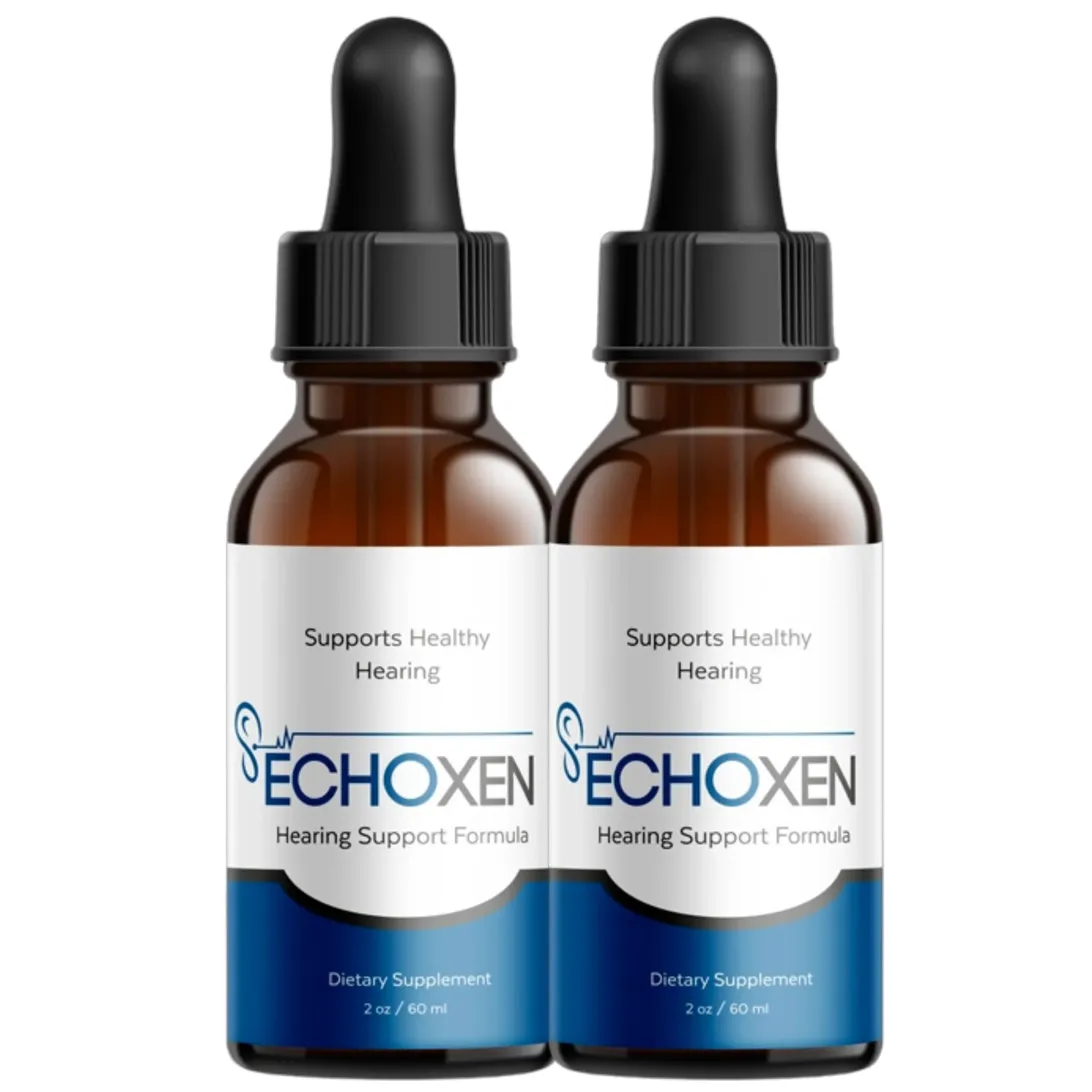
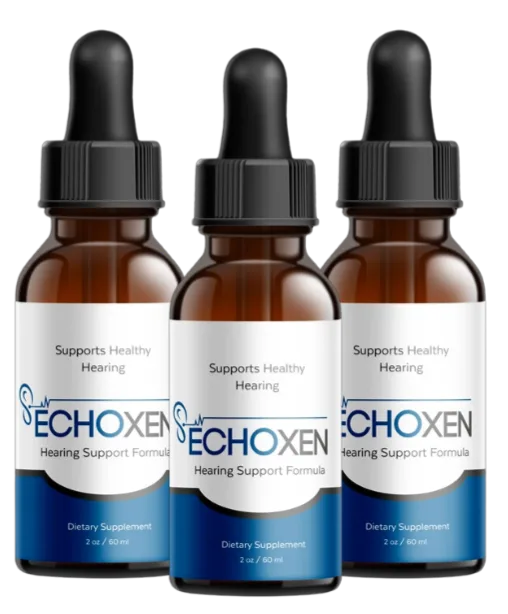
By combining a nutrient-dense diet with these protective habits, you create a robust defense system for your hearing. However, for those seeking comprehensive support for their auditory system, especially in managing conditions like tinnitus, a specialized supplement can offer targeted nutritional benefits. For example, EchoXen is formulated with a blend of natural ingredients designed to support inner ear health and cognitive function, working synergistically with your healthy lifestyle choices.
Introducing EchoXen: Natural Support for Auditory Wellness
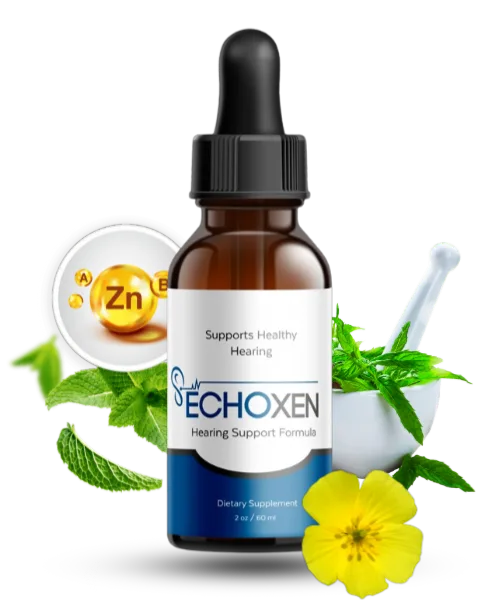
While a balanced diet is fundamental, achieving optimal levels of all necessary nutrients for ear health can sometimes be challenging. This is where a targeted supplement like EchoXen can play a supportive role. EchoXen is formulated with a powerful blend of natural ingredients, each selected for its potential to support auditory function, reduce inflammation, combat oxidative stress, and promote overall neurological health, which is intricately linked to how we perceive sound.
EchoXen is designed to complement your healthy lifestyle, providing concentrated doses of compounds that may be difficult to obtain consistently through diet alone. It offers a convenient way to ensure your auditory system receives comprehensive support, helping to maintain clarity and potentially alleviate the discomfort associated with tinnitus.

Ashwagandha & Piperine
Role: Ashwagandha is an adaptogen known for reducing stress and inflammation, which can impact tinnitus. Piperine enhances nutrient absorption, maximizing the benefits of other ingredients.
Ashwagandha (300mg), Piperine (5mg)
Catuaba & Damiana
Role: These traditional herbs are believed to support nervous system health and improve blood flow, potentially aiding in the reduction of auditory distress and promoting overall well-being.
Catuaba Bark (100mg), Damiana Leaf (100mg)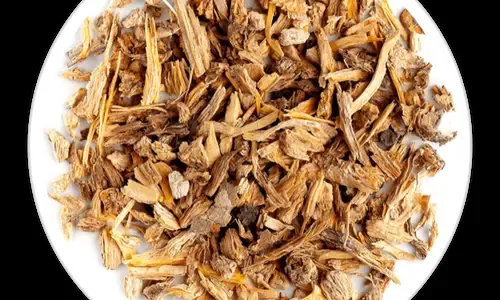
Dong Quai
Role: Known in traditional medicine for improving circulation and its anti-inflammatory properties, Dong Quai can help ensure adequate blood flow to the inner ear, vital for its function.
Dong Quai Root (50mg)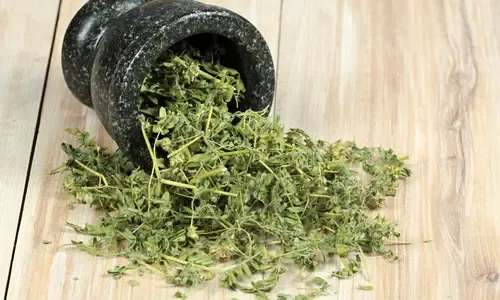
Epimedium & Tribulus Terrestris
Role: These botanical extracts are often used to support vitality and circulation, contributing to overall systemic health, which indirectly benefits the delicate auditory system.
Epimedium (50mg), Tribulus Terrestris (50mg)
L-Tyrosine & L-Arginine
Role: L-Tyrosine supports neurotransmitter production for cognitive function. L-Arginine is a precursor to nitric oxide, which improves blood flow, crucial for inner ear health.
L-Tyrosine (150mg), L-Arginine (100mg)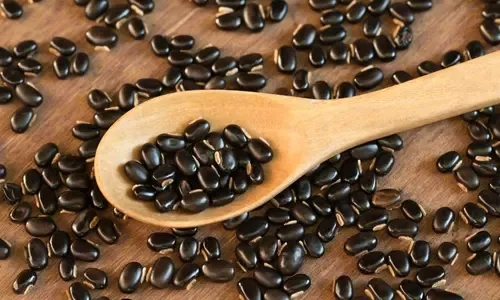
Mucuna Pruriens & Maca Root
Role: Mucuna Pruriens supports dopamine levels, aiding neurological health. Maca Root is an adaptogen for energy and balance, contributing to overall vitality and stress reduction.
Mucuna Pruriens (100mg), Maca Root (100mg)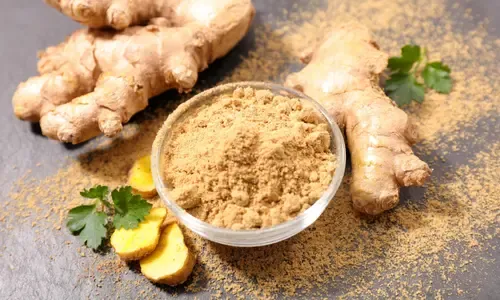
Muira Puama & Ginger
Role: Muira Puama supports nerve function and circulation. Ginger is a potent anti-inflammatory and antioxidant, beneficial for reducing cellular stress in the auditory system.
Muira Puama (50mg), Ginger Root (50mg)
Sarsaparilla & Asparagus
Role: Sarsaparilla is known for its anti-inflammatory and detoxifying properties. Asparagus is a good source of folate and antioxidants, supporting overall cellular health.
Sarsaparilla Root (50mg), Asparagus Extract (50mg)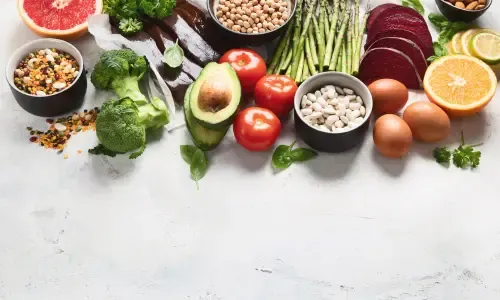
Vitamins A, B & Zinc
Role: A synergistic blend of essential micronutrients crucial for cellular protection, nerve function, and immune support, directly impacting inner ear health and reducing oxidative damage.
Vitamin A (2500IU), B-Complex, Zinc (15mg)When considering supplements, it's helpful to understand how different products compare. You might want to read our comparison of EchoXen against other tinnitus supplements to see how its unique blend stands out.

Ready to Take Control of Your Hearing Health?
Your hearing is precious. Don't let dietary gaps or environmental stressors compromise it. EchoXen offers a scientifically-backed blend of natural ingredients designed to provide comprehensive support for your auditory system and cognitive function.
- ✓ Supports Healthy Inner Ear Function
- ✓ Helps Reduce Tinnitus Symptoms
- ✓ Protects Against Oxidative Damage
- ✓ Enhances Cognitive Clarity
- ✓ Made with 100% Natural Ingredients




What Our Customers Are Saying
"I've struggled with constant ringing for years, and while diet helps, EchoXen has made a noticeable difference. The buzzing is much less intrusive, and I feel more focused. Highly recommend!"
"My audiologist suggested improving my diet, and I added EchoXen to my routine. My hearing feels sharper, and the persistent hum I used to have has significantly reduced. It's truly a game-changer."
"I was skeptical, but after a few weeks of consistent use, I noticed my ears felt less 'full,' and the background noise in my head quieted down. Combined with a healthier diet, EchoXen has been fantastic."
Frequently Asked Questions
How does diet specifically affect hearing health?
+Diet significantly impacts hearing by providing essential nutrients that protect the delicate structures of the inner ear, reduce inflammation, combat oxidative stress, and support neurological functions related to sound processing. Deficiencies in key vitamins and minerals can leave the ears vulnerable to damage and contribute to conditions like hearing loss and tinnitus.
What are the best foods to eat to prevent hearing loss?
+Foods rich in antioxidants (berries, leafy greens, dark chocolate), B vitamins (whole grains, legumes, lean meats), magnesium (nuts, seeds, spinach), potassium (bananas, potatoes, avocados), and omega-3 fatty acids (fatty fish like salmon, flaxseeds) are highly beneficial. These nutrients work synergistically to maintain inner ear health and protect against age-related decline.
Can certain foods worsen tinnitus symptoms?
+Yes, some individuals report that certain foods or substances can exacerbate tinnitus. Common culprits include excessive caffeine, alcohol, high-sodium foods, artificial sweeteners, and processed foods. These items can affect blood flow, nerve function, or trigger inflammatory responses that may intensify tinnitus. Keeping a food diary can help identify personal triggers.
Are there any supplements that can help support hearing health?
+While a balanced diet is foundational, certain supplements can offer additional support, especially if dietary intake is insufficient or specific needs arise. Key ingredients often include B vitamins, magnesium, zinc, antioxidants like N-acetyl cysteine (NAC), and herbal extracts known for neuroprotective or circulation-enhancing properties. Always consult a healthcare professional before starting any new supplement regimen.
How long does it take to see dietary improvements impact hearing?
+The timeline for seeing improvements from dietary changes can vary greatly depending on the individual, the severity of the condition, and consistency of the diet. Some people may notice subtle improvements in energy levels or overall well-being within weeks, while noticeable changes in hearing clarity or tinnitus symptoms might take several months of consistent effort. Patience and persistence are key.
Is EchoXen a substitute for a healthy diet?
+No, EchoXen is designed to be a complementary supplement to a healthy lifestyle, not a substitute for a balanced diet. It provides a concentrated blend of ingredients scientifically researched for their potential benefits to auditory and cognitive health. The best approach to ear health combines a nutrient-rich diet, regular exercise, noise protection, and targeted nutritional support like EchoXen.
Related Articles