Is your hearing fading with the years, leaving you feeling disconnected?
As we navigate the journey of life, our bodies undergo numerous changes, and our hearing is no exception. For many, the subtle shift in auditory perception begins almost imperceptibly, gradually making it harder to catch every word in a crowded room or enjoy the nuanced sounds of nature. This common, yet often underestimated, phenomenon is known as presbycusis, or age-related hearing loss.
Presbycusis isn't just about turning up the volume; it's a complex process involving intricate changes within the delicate structures of the inner ear and auditory pathways. Understanding how age-related hearing loss develops is the first crucial step toward recognizing its onset, mitigating its progression, and finding effective strategies to maintain your connection to the world of sound.

The Intricate Symphony: How Normal Hearing Works
Before delving into the mechanisms of presbycusis, it's essential to appreciate the marvel that is normal hearing. Our ears are complex organs, designed to capture sound waves and translate them into electrical signals that our brain interprets as meaningful sound.
The journey of sound begins with the outer ear, which funnels sound waves through the ear canal to the eardrum. This thin membrane vibrates in response to sound, transferring these vibrations to the middle ear. Here, three tiny bones – the malleus, incus, and stapes (hammer, anvil, and stirrup) – amplify these vibrations and pass them to the inner ear.
The inner ear houses the cochlea, a snail-shaped organ filled with fluid and thousands of delicate hair cells. These hair cells are the true transducers of sound. As the fluid in the cochlea moves, the hair cells bend, converting the mechanical vibrations into electrical signals. Different hair cells respond to different frequencies, allowing us to distinguish between high-pitched chirps and low-frequency rumbles. These electrical signals are then sent via the auditory nerve to the brain, where they are processed and understood as speech, music, or environmental sounds. This intricate process, perfected over millennia, is what allows us to engage with the auditory world.
What is Presbycusis? The Silent Progression
Presbycusis, derived from Greek words meaning "old ear," is the gradual loss of hearing that occurs as people age. It is the most common cause of hearing loss among older adults and is typically a bilateral (affecting both ears) and symmetrical condition. Unlike sudden hearing loss, presbycusis develops slowly over many years, often going unnoticed in its early stages.
The defining characteristic of presbycusis is a progressive decline in the ability to hear high-frequency sounds. This means that sounds like children's voices, female voices, birds chirping, or consonants like 's', 'f', 't', and 'th' become harder to distinguish. While the volume of sound might seem adequate, the clarity and understanding of speech, especially in noisy environments, becomes significantly impaired. Many individuals with presbycusis also report experiencing tinnitus, a persistent ringing, buzzing, or hissing sound in their ears.
💡 Key Takeaway
Presbycusis is a common, gradual, and usually symmetrical age-related hearing loss primarily affecting high-frequency sounds, leading to difficulties in speech comprehension and often accompanied by tinnitus.
The Four Main Types of Presbycusis and Their Development
While often discussed as a single condition, presbycusis is actually a broad term encompassing several distinct pathological changes within the auditory system. Understanding these types helps to illustrate the multifaceted nature of age-related hearing degeneration.
Sensory Presbycusis
This is the most common form, characterized by the atrophy and loss of hair cells in the basal (high-frequency) end of the cochlea. Damage to these delicate sensory cells is often irreversible and leads to a sharp, high-frequency hearing loss. It is believed to be caused by a combination of genetic predisposition and cumulative damage from noise exposure over a lifetime.
Neural Presbycusis
Neural presbycusis involves the degeneration of nerve fibers and ganglion cells in the cochlea and auditory pathways. While hair cells might remain intact, the neural connection to the brain weakens, impairing the brain's ability to process and interpret sound, especially complex speech signals. This often leads to significant difficulty understanding speech despite adequate loudness, a phenomenon known as phonemic regression.
Strial (Metabolic) Presbycusis
This type results from atrophy of the stria vascularis, a highly vascularized tissue in the cochlea responsible for maintaining the electrochemical balance necessary for hair cell function. Its degeneration impairs the production of endolymph, the fluid that bathes the hair cells, leading to a metabolic imbalance. This form typically presents as a flat or gently sloping audiogram, affecting all frequencies more uniformly.
Cochlear Conductive (Mechanical) Presbycusis
Less common, this type involves structural changes in the mechanical properties of the cochlear duct, such as thickening and stiffening of the basilar membrane. These changes impede the efficient transmission of sound vibrations to the hair cells, resulting in a mechanical impairment similar to a mild conductive hearing loss but originating within the cochlea itself.

Contributing Factors to the Development of Presbycusis
While age is the primary risk factor, presbycusis is not solely a consequence of chronological aging. A confluence of genetic, environmental, and lifestyle factors interact to accelerate or exacerbate its development.
Genetics: Family history plays a significant role. If your parents or grandparents experienced early onset or severe age-related hearing loss, you might be genetically predisposed. Researchers have identified several genes linked to the susceptibility of cochlear hair cells and auditory nerve fibers to age-related damage.
Noise Exposure: Cumulative exposure to loud noise throughout life is a major contributor. Whether from occupational hazards, recreational activities like concerts or hunting, or even everyday loud environments, excessive noise can permanently damage the delicate hair cells in the cochlea, accelerating their degeneration beyond normal aging.
Ototoxic Medications: Certain medications can be toxic to the inner ear, leading to temporary or permanent hearing loss and tinnitus. These include some antibiotics (aminoglycosides), chemotherapy drugs, high doses of aspirin, and loop diuretics. Prolonged use or high dosages, especially in older adults, can compound the effects of aging on the auditory system.
Medical Conditions: Chronic health issues significantly impact auditory health. Conditions like diabetes, which affects blood circulation, can impair blood flow to the inner ear, depriving hair cells of vital oxygen and nutrients. Similarly, cardiovascular disease, hypertension, and kidney disease are all associated with an increased risk of presbycusis, likely due to their impact on the inner ear's delicate blood supply.
Lifestyle Factors: Smoking, poor diet, and lack of physical activity can also contribute. Smoking reduces blood flow and oxygen to the inner ear, while a diet lacking essential nutrients and antioxidants can make auditory cells more vulnerable to oxidative stress and damage. Maintaining a healthy lifestyle is crucial for overall health, including auditory health.
The Ripple Effect: Symptoms and Broader Impacts
Difficulty with High Frequencies
One of the earliest and most common symptoms is the inability to hear high-pitched sounds, making certain consonants (s, sh, f, t, k) hard to distinguish. This often means speech sounds muffled or unclear, especially female or children's voices.
Challenges in Noisy Environments
Understanding conversations in crowded restaurants, at family gatherings, or with background noise becomes increasingly difficult. The brain struggles to filter out unwanted sounds and focus on speech.
Tinnitus
Many individuals with presbycusis also experience tinnitus – a phantom sound like ringing, buzzing, roaring, or hissing in one or both ears. This can be constant or intermittent and significantly impact quality of life.
Social Withdrawal and Isolation
The constant struggle to hear can be exhausting and embarrassing, leading individuals to avoid social situations, withdraw from conversations, and feel increasingly isolated from friends and family.
Cognitive Decline Risk
Emerging research suggests a strong link between untreated hearing loss and an increased risk of cognitive decline, memory problems, and even dementia. The brain expends more energy trying to hear, potentially diverting resources from other cognitive functions.
Emotional and Mental Health
Frustration, anxiety, depression, and a loss of confidence are common emotional impacts of living with unmanaged presbycusis. The inability to fully participate in life can take a heavy toll on mental well-being.
Diagnosis and Management: Taking Control of Your Hearing
Early diagnosis and proactive management are crucial for mitigating the effects of presbycusis and maintaining a good quality of life. If you suspect you have hearing loss, the first step is to consult an audiologist or an ENT specialist.
A comprehensive hearing evaluation typically involves an audiogram, which measures your hearing sensitivity across different frequencies. Other tests may include speech audiometry to assess your ability to understand speech, and tympanometry to check middle ear function. These tests help determine the type, degree, and configuration of your hearing loss, allowing for a tailored management plan.
While there is currently no cure for presbycusis, a range of effective management strategies can significantly improve communication and quality of life:
- Hearing Aids: These are the most common and effective solution for most types of presbycusis. Modern hearing aids are discreet, highly customizable, and use advanced digital technology to amplify sounds, reduce background noise, and improve speech clarity.
- Cochlear Implants: For individuals with severe to profound hearing loss who don't benefit from hearing aids, cochlear implants can be a life-changing option. These devices bypass damaged parts of the inner ear and directly stimulate the auditory nerve.
- Assistive Listening Devices (ALDs): These include devices like amplified telephones, TV listening systems, and personal FM systems, which can further enhance hearing in specific situations.
- Communication Strategies: Learning to read lips, asking people to speak clearly and face you, and choosing quieter environments for conversations can all help.
- Auditory Rehabilitation: This involves exercises and training to help your brain relearn how to process sound and adapt to hearing aids.
Beyond these conventional treatments, a growing number of people are exploring complementary approaches. Maintaining a healthy lifestyle, including a balanced diet rich in antioxidants, regular exercise, and stress management, can support overall well-being, which indirectly benefits auditory health. Some individuals also look into hearing support remedies that work, including natural supplements. While supplements are not a substitute for medical treatment, certain ingredients are investigated for their potential to support ear health and cognitive function, which can be beneficial in managing the symptoms associated with age-related hearing decline and tinnitus. For more information on supportive options, you might explore articles like best-hearing-support-supplement.html.
Exploring Natural Support for Auditory Health
While addressing presbycusis requires professional medical guidance, many individuals seek natural ways to support their hearing health and mitigate symptoms like tinnitus. EchoXen is a natural supplement that aims to offer such support, formulated with a blend of ingredients known for their beneficial properties.

Ashwagandha & Piperine
Role: Ashwagandha is an adaptogen, known for stress reduction and neuroprotection, which can be beneficial for tinnitus. Piperine enhances nutrient absorption.
Ashwagandha: 300-500mg, Piperine: 5-10mg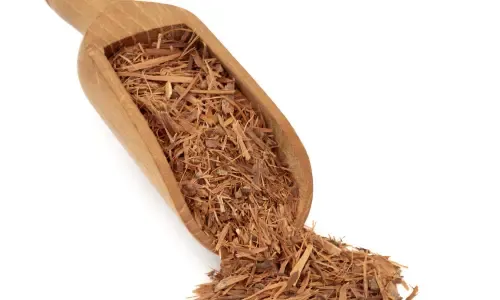
Catuaba & Damiana
Role: Traditionally used for their adaptogenic and nerve-calming properties, these ingredients may help reduce stress and improve mental clarity, which can be beneficial for those experiencing tinnitus.
Catuaba: 100-200mg, Damiana: 50-150mg
Dong Quai
Role: Known for its circulatory benefits, Dong Quai may help improve blood flow to the inner ear, which is vital for the health and function of cochlear hair cells and auditory nerves.
100-200mg
Epimedium & Tribulus Terrestris
Role: These herbs are often used to support vitality and may contribute to overall neurological health, indirectly benefiting nerve function related to hearing.
Epimedium: 100-250mg, Tribulus: 50-150mg
L-Tyrosine & L-Arginine
Role: L-Tyrosine supports neurotransmitter production, crucial for cognitive function. L-Arginine is a precursor to nitric oxide, promoting healthy blood flow to the ears and brain.
L-Tyrosine: 100-300mg, L-Arginine: 100-250mg
Mucuna Pruriens & Maca Root
Role: Mucuna supports dopamine levels, potentially aiding cognitive and neural health. Maca is an adaptogen that enhances energy and reduces stress, beneficial for managing tinnitus-related anxiety.
Mucuna: 50-150mg, Maca: 100-200mg
Muira Puama & Ginger
Role: Muira Puama supports nerve health and cognitive function. Ginger is a potent antioxidant and anti-inflammatory agent, which can protect delicate ear structures from damage.
Muira Puama: 50-100mg, Ginger: 50-100mg
Sarsaparilla & Asparagus
Role: Sarsaparilla is known for its anti-inflammatory properties, potentially reducing inflammation in the auditory system. Asparagus provides essential nutrients and antioxidants.
Sarsaparilla: 50-100mg, Asparagus: 50-100mg
Vitamin A, B-Complex & Zinc
Role: Essential micronutrients for cellular health. Vitamin A protects inner ear structures, B vitamins support nerve function, and Zinc is crucial for immune function and antioxidant defense in the ear.
Vitamin A: 1000-5000 IU, B-complex: 10-50mg, Zinc: 10-30mg
Ready to Take a Proactive Step for Your Hearing Health?
Don't let age-related hearing challenges diminish your quality of life. EchoXen offers a comprehensive, natural approach designed to support the intricate mechanisms of your auditory system and cognitive function. Formulated with potent botanicals and essential nutrients, EchoXen is crafted to help you maintain clarity and reduce the impact of age-related hearing decline and tinnitus.
- ✓ Supports healthy auditory nerve function
- ✓ Promotes optimal blood flow to the inner ear
- ✓ Helps reduce oxidative stress in ear cells
- ✓ May alleviate symptoms of tinnitus
- ✓ Boosts cognitive clarity and focus




What Our Customers Are Saying
"I've been struggling with the ringing in my ears for years, and my hearing wasn't what it used to be. After a few weeks of EchoXen, the persistent hum is less noticeable, and I feel like I'm catching more of the conversation. It's a huge relief!"
"My doctor explained presbycusis, and I wanted to try something natural alongside my other care. EchoXen has made a noticeable difference in my clarity of hearing, especially in noisy places. I feel less frustrated and more engaged."
"I was skeptical at first, but the improvement in my overall ear comfort and the reduction in that constant buzzing has been remarkable. EchoXen is now a staple in my daily routine. Highly recommend for anyone facing age-related hearing issues."
Frequently Asked Questions
What exactly is presbycusis?
+Presbycusis is the medical term for age-related hearing loss. It is a gradual, progressive decline in hearing that occurs as people get older. It typically affects both ears equally, and is characterized by difficulty hearing high-pitched sounds and understanding speech, especially in noisy environments. It is a very common condition, affecting approximately one-third of people over 65 and nearly half of those over 75.
What are the main causes of age-related hearing loss?
+The primary cause of presbycusis is age-related changes within the inner ear, particularly the degeneration of hair cells in the cochlea and nerve fibers that transmit sound to the brain. Other contributing factors include genetics, prolonged exposure to loud noise throughout life, certain medical conditions like diabetes and cardiovascular disease, ototoxic medications, and lifestyle factors such as smoking and poor diet. These factors can accelerate the natural aging process of the auditory system.
Can presbycusis be prevented or reversed?
+While the complete reversal of age-related hearing loss is not currently possible, its progression can often be slowed, and its impact mitigated. Prevention strategies include protecting your ears from loud noise, managing chronic health conditions, avoiding ototoxic medications when possible, and adopting a healthy lifestyle. Regular hearing check-ups are crucial for early detection. Treatment focuses on managing symptoms and improving communication through hearing aids, assistive listening devices, and sometimes, specific auditory training.
How does presbycusis affect daily life and overall health?
+The impact of presbycusis extends far beyond just difficulty hearing. It can lead to significant communication challenges, social isolation, frustration, and even depression. Studies have also linked untreated hearing loss to an increased risk of cognitive decline, dementia, and falls. The constant strain of trying to hear can cause fatigue and stress. Addressing presbycusis is vital for maintaining quality of life, mental acuity, and social engagement as we age.
When should I seek professional help for age-related hearing loss?
+You should seek professional help from an audiologist or ENT specialist if you notice any changes in your hearing, such as difficulty understanding conversations, frequently asking people to repeat themselves, turning up the TV volume excessively, or experiencing tinnitus (ringing in the ears). Early intervention is key to managing presbycusis effectively, preventing further decline, and exploring suitable solutions like hearing aids or other supportive therapies. Don't wait until your hearing loss significantly impacts your daily life.
Are there natural approaches or supplements that can support hearing health as I age?
+While no supplement can cure presbycusis, certain nutrients and botanicals are studied for their potential to support auditory health, protect against oxidative stress, and improve circulation to the inner ear. Ingredients like specific vitamins (A, B complex, Zinc), antioxidants, and certain plant extracts are often explored. Always consult your doctor before starting any new supplement regimen. Products like EchoXen, formulated with a blend of natural ingredients, aim to support overall ear health and cognitive function, which can indirectly benefit those experiencing age-related auditory challenges, but should be considered as part of a comprehensive health plan.
Related Articles